Caso real
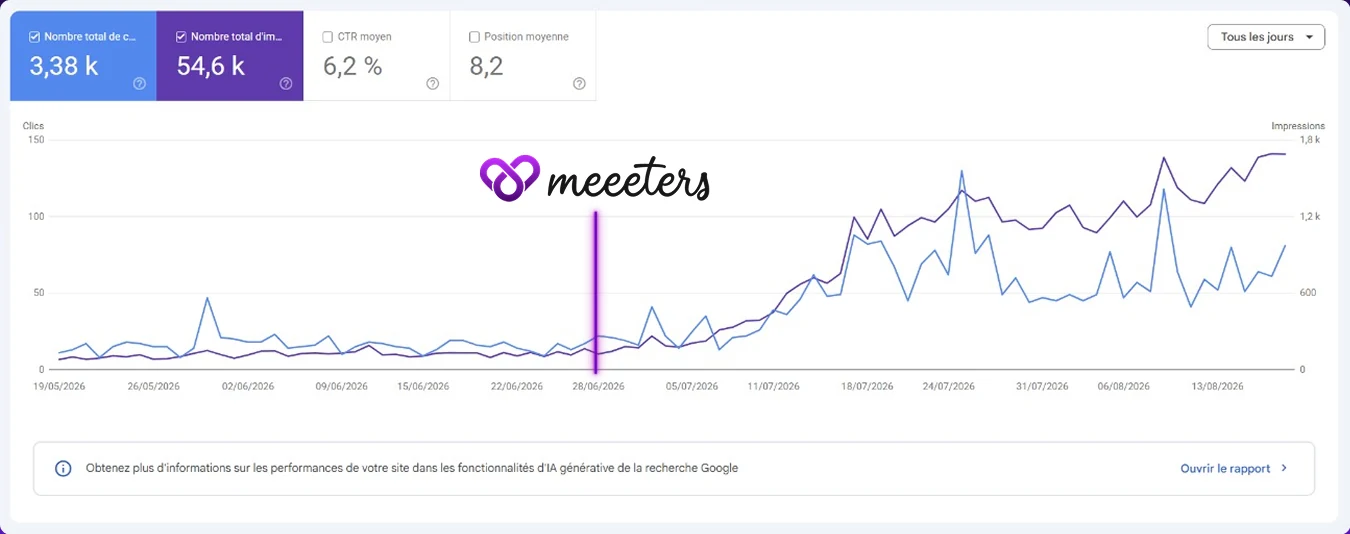
De 89 clics al mes a 3380 en dos meses.
taada.top, con Meeeters. La línea morada marca el día en que se activó.
- 54,6 mil impresiones
- CTR del 6,2 %
- Posición 8,2
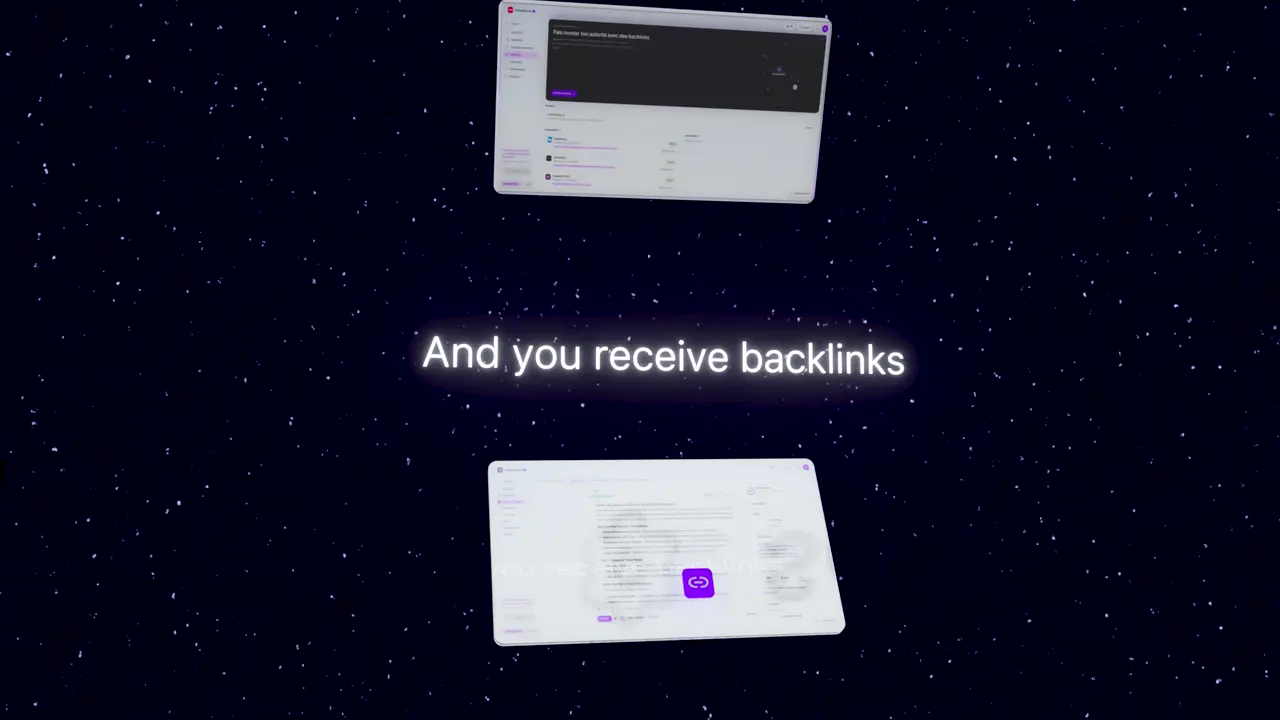
El contenido SEO de tu web, hecho por Meeeters, una potente herramienta SEO completa con IA.
Funciona con
[ Resultados ]
Sitios reales que funcionan con Meeeters, con sus propias cifras de Search Console. El mismo método para el tuyo: análisis, plan, artículos, backlinks.
Caso real
taada.top, con Meeeters. La línea morada marca el día en que se activó.
Caso real
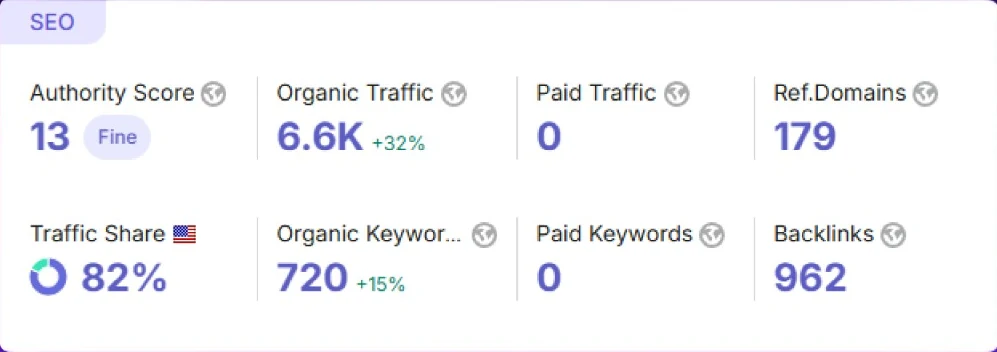
ferrstudio.ch, con Meeeters. Tráfico orgánico, dominios de referencia y backlinks.
Caso real
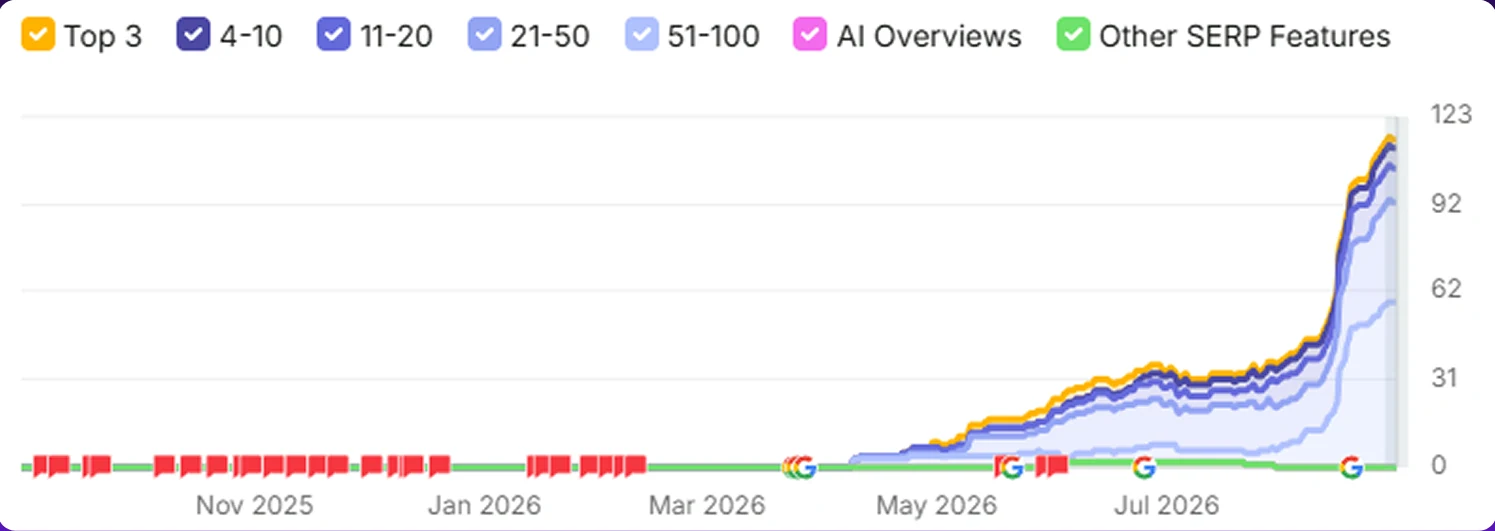
bereach.ai, con Meeeters. Posiciones en Google y en AI Overviews, mes tras mes.
Caso real
meeeters.com, nuestra propia web. Usuarios reales, contados en directo.
[ Problemas y solución ]
Tu problema
Nuestra solución
[ Funciones ]
Artículos, backlinks y verificaciones en directo. Tú apruebas los borradores y colocas tus enlaces, y el mismo plan se maneja desde Claude si prefieres un chat.
Encabezados, schema y enlaces internos pensados para posicionar. Lo publicas tú.
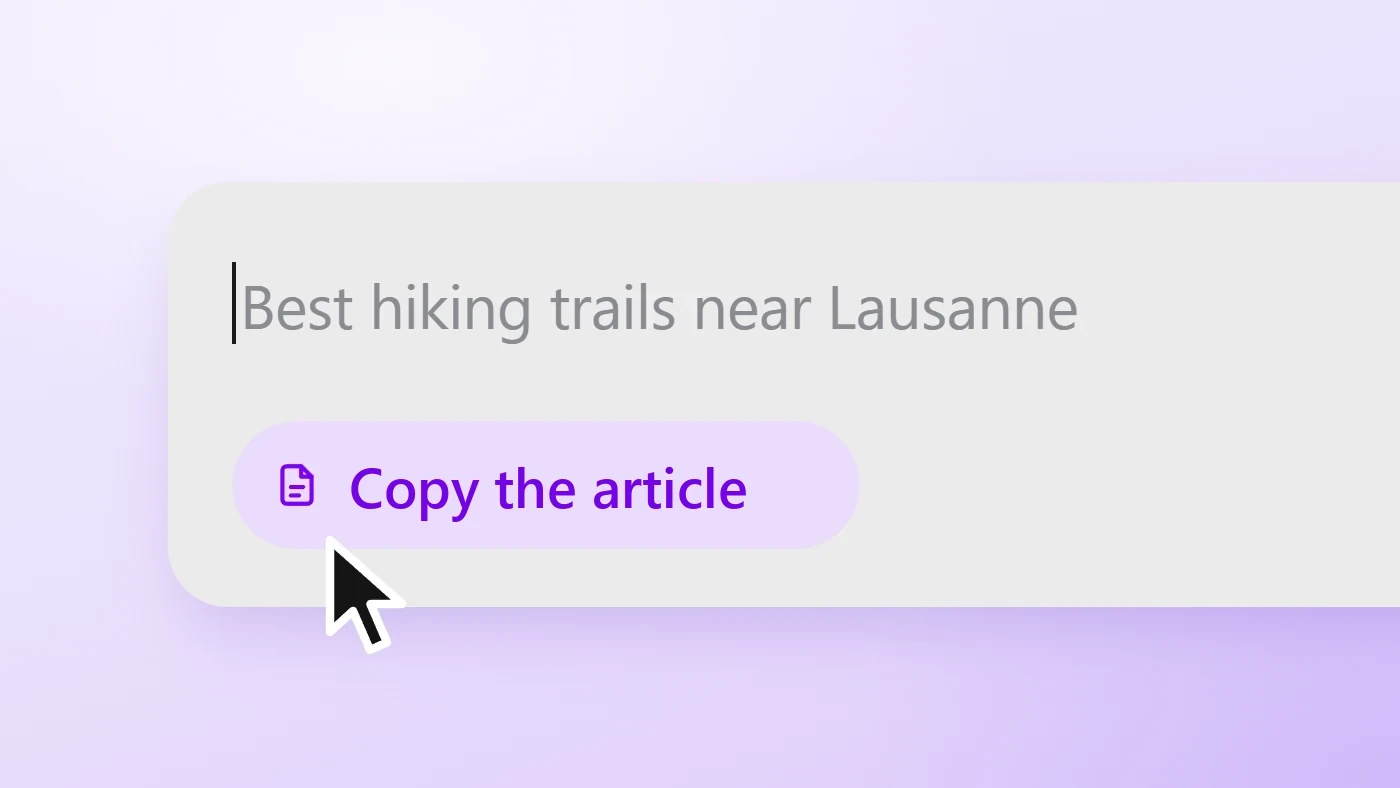
Webs miembro de tu temática y tu idioma, emparejadas contigo. Sin enlaces recíprocos, sin cadenas, sin PBN.
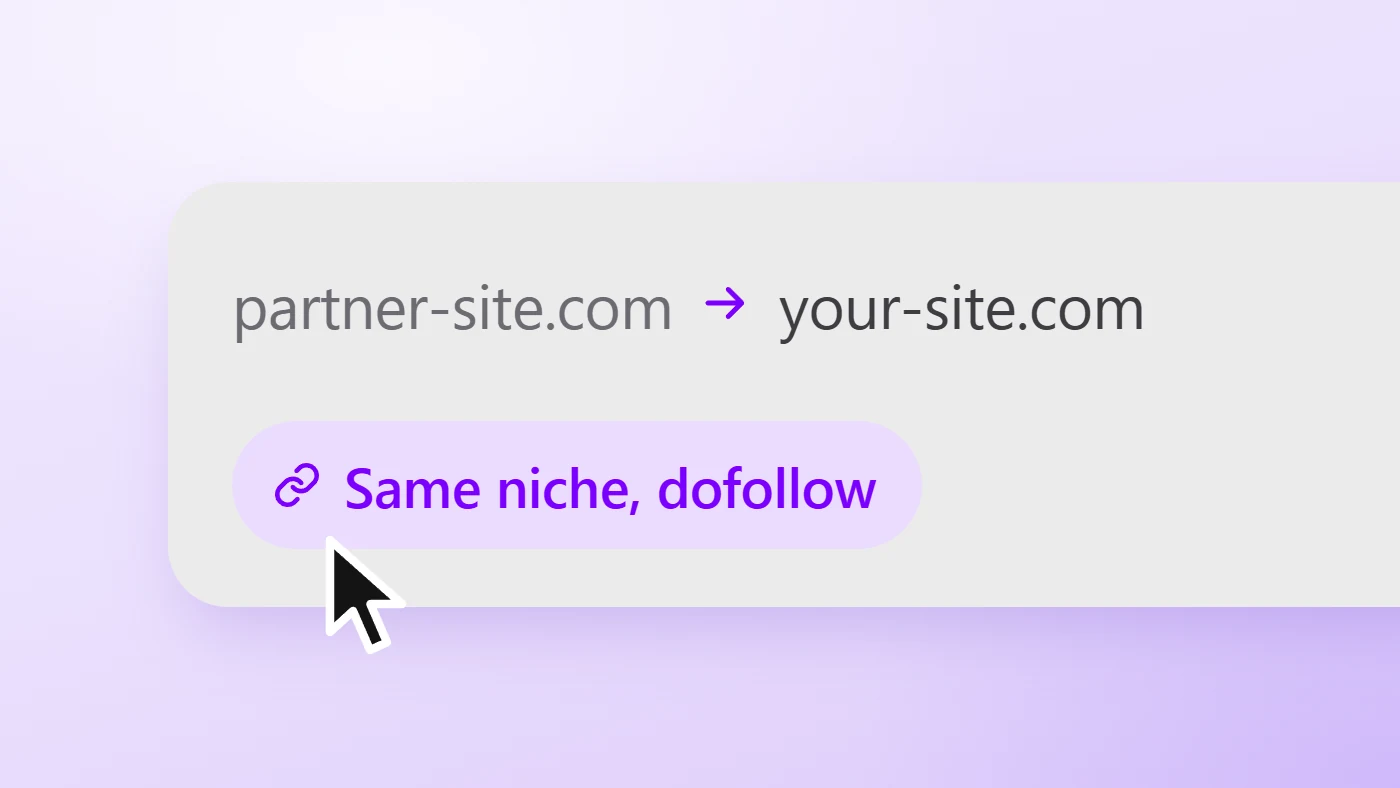
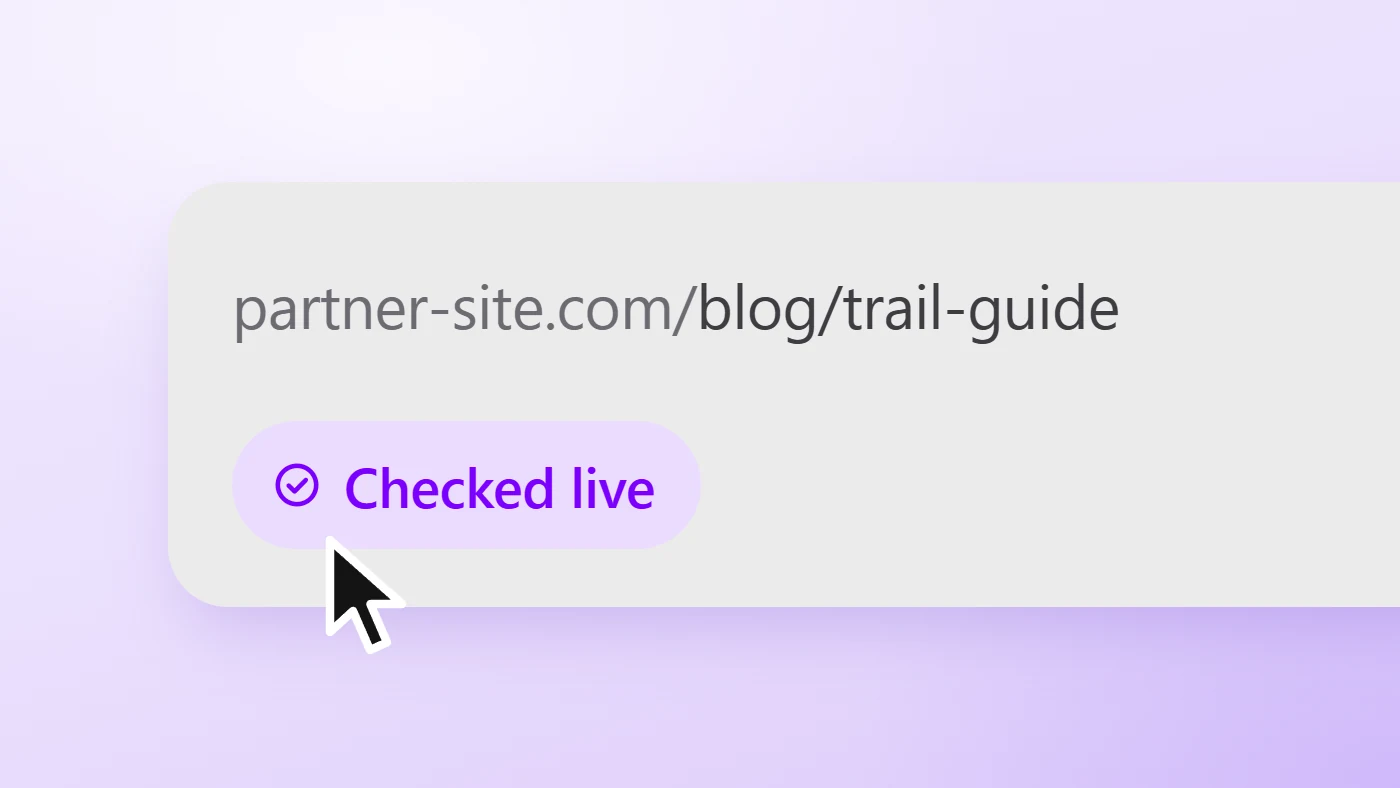
Un enlace cuenta cuando la página está activa, el anchor está presente y el rel es dofollow.
[ Opiniones ]
Opiniones reales en Trustpilot de los primeros miembros de Meeeters.
[ Guías ]
Todo lo que sabemos para aparecer en Google y en las respuestas de la IA, organizado en cinco guías a fondo.
Pega una dirección en Claude y pregunta con tus palabras: lee tu sitio y tu Search Console.
En Claude
Start the Meeeters method[ Ejemplos de redacción ]
Escritos para tu nicho y tus prospectos en la parte alta del embudo, con los datos que una respuesta de IA puede recoger y citar
Ask ChatGPT, Perplexity or Google a question in 2026 and you often get a written answer with a handful of citations instead of ten blue links. Generative engine optimization, GEO, is the discipline of making sure your site is one of those citations. This article is the plain-English definition: what GEO is, where the term comes from, how it relates to SEO and AEO, why it suddenly matters, and which levers actually move it.
Generative engine optimization is the practice of optimizing your content and your site so that AI systems cite, quote, paraphrase or recommend you inside the answers they generate. The "generative engine" is any system that answers a query by writing a response rather than listing links: ChatGPT with search, Perplexity, Google AI Overviews and AI Mode, Microsoft Copilot, and the growing set of AI assistants embedded in browsers and apps.
The goal shifts in one important way. Classic SEO optimizes for a position in a list, and the user chooses which result to click. GEO optimizes for inclusion in a synthesized answer, where the engine chooses which two to five sources to lean on and everyone else is invisible. A results page distributes attention across ten links; a generated answer concentrates it on the few sources it cites.
That concentration is why GEO gets discussed with such urgency, and it is also why the fundamentals have not changed as much as the hype suggests. The engines choose their sources from what they can retrieve, and what they can retrieve is largely what already ranks. Most assistants run a live search behind the scenes, read the top results, and write an answer grounded in them.
The term was coined in an academic paper titled "GEO: Generative Engine Optimization," published in November 2023 by researchers from Princeton University, Georgia Tech, IIT Delhi and the Allen Institute for AI, and later presented at KDD 2024. The paper is publicly available on arXiv.
Two things in that paper matter for practitioners. First, it formalized the idea of a generative engine: a system that ingests retrieved web sources and synthesizes an answer, citing some of them. Second, it ran experiments on which content modifications increased a source's visibility inside those answers. On their benchmark, changes like adding citations to credible sources, including quotations, and including statistics improved visibility substantially, with the paper reporting gains of up to roughly 40 percent for the best-performing methods on their test set.
Treat the exact numbers with care: the benchmark used specific engines and query sets, and real assistants have evolved since. But the direction of the finding has held up in practice. Content that carries evidence (numbers, quotes, named sources) and is structured so a model can lift a clean passage gets cited more than content that says the same thing vaguely. We see the same pattern on the sites we work with: the pages that earn citations are almost always the ones that state a checkable fact in a self-contained paragraph.
After the paper, the acronym escaped the lab. By late 2024, "GEO" had become the umbrella term in the industry for AI-answer visibility work, competing with a half-dozen other labels.
The terminology is genuinely messy, so here is the honest version: GEO, AEO and SEO are overlapping practices, not rival ones, and most of the work is shared.
SEO (search engine optimization) is the parent discipline: making pages crawlable, indexable, relevant and authoritative so they rank in search results. Every other acronym stands on top of it.
AEO (answer engine optimization) predates the current AI wave. It originally described optimizing to be the answer rather than a result: featured snippets, People Also Ask boxes, voice assistant responses. When AI chat answers arrived, many people stretched AEO to cover them too.
GEO (generative engine optimization) is the newest and most specific term: optimizing to be cited or recommended inside answers written by generative AI. In everyday use, GEO and AEO now describe mostly the same work, and you will also see LLMO, AI SEO and "LLM optimization" used interchangeably. Do not overthink the labels; the inputs matter more than the acronym.
| SEO | AEO | GEO | |
|---|---|---|---|
| Goal | Rank in a list of results | Be the direct answer | Be cited inside a generated answer |
| Surface | Search results pages | Featured snippets, PAA, voice assistants | ChatGPT, Perplexity, AI Overviews, AI Mode, Copilot |
| Key metric | Rankings, organic clicks | Snippet ownership, answer share | Citation frequency, AI referral traffic, share of voice in answers |
| Main levers | Crawlability, relevance, backlinks, content quality | Question-shaped content, concise answers, schema | Retrievability, quotable structure, entity clarity, authority |
Read the bottom row again and notice the overlap. Authority appears everywhere. Structure appears everywhere. That is the core insight of this whole field: most of what works in SEO transfers, and the budget question is where to put the rest.
The term is from 2023, but three product launches turned it from a paper into a budget line.
Google AI Overviews went mainstream. Google rolled out AI Overviews to US users in May 2024 and expanded them to more countries and more query types through 2024 and 2025, followed by AI Mode, a fully conversational search experience. When AI-written answers started appearing at the top of the world's largest search engine, every site owner suddenly had a stake in how those answers choose their sources. Google has stated that these AI features are built on its core ranking systems, and its guidance for AI features in Search says plainly that standard SEO best practices are the foundation.
Más métodos en el blog. Visitar el blog
[ Precios ]
El plan del mes, 3 artículos y hasta 3 backlinks.
Sin tarjeta
Analizar mi sitio10 artículos y hasta 10 backlinks para un sitio.
Tarjeta necesaria · cancela cuando quieras
Elegir ProEl plan Pro en hasta cinco sitios.
Cancela cuando quieras
Empezar ahoraRespuestas rápidas a las preguntas más habituales sobre este tema.
No. Meeeters lee tus páginas públicas y tu Search Console. No tiene acceso a tu CMS: copias cada artículo y lo publicas tú mismo, así que nada cambia en tu sitio sin ti.
El análisis solo lee tus páginas públicas, igual que el rastreador de Google: sin inicio de sesión, sin acceso de administrador, sin código añadido a tu sitio. Los artículos y los enlaces requieren tu Google Search Console: Meeeters la lee con un acceso que puedes revocar en cualquier momento.
No. No se instala nada en tu sitio y Meeeters no tiene acceso a tu CMS. Copias cada artículo y lo publicas tú mismo.
Nunca. Meeeters no tiene acceso a tu sitio. Lees cada artículo, lo copias, lo editas si quieres, y siempre eres tú quien hace clic en publicar.
Es dar y recibir, y lo decimos. Cada mes Meeeters te asigna hasta 3 enlaces para colocar en tus propios artículos, hacia miembros de tu nicho. Cada enlace visto en línea te da otro, procedente de un sitio distinto. Dos sitios nunca se enlazan entre sí: sin enlaces recíprocos, sin PBN. Un sitio que deja de colocar deja de recibir.
Sí, cada enlace colocado se verifica automáticamente: la página es accesible, el enlace y su anchor text están presentes y el atributo rel es dofollow. Los enlaces nofollow nunca cuentan en tu total, así que un enlace solo cuenta cuando supera todas las comprobaciones.
Sí, en todos los planes. Pegas una dirección en Claude como conector personalizado y le pides que inicie el método Meeeters. Claude lee tu sitio y tu Search Console, redacta el artículo del mes con su enlace para colocar y comprueba el enlace una vez publicado el artículo.
No. Meeeters trabaja en tu sitio web: artículos y backlinks. Para el Perfil de Empresa de Google, creamos una herramienta aparte, Posipin. Redacta tus respuestas a las reseñas y tus publicaciones, y enumera lo que hay que corregir en el perfil (categorías, descripción, horarios). Está en francés e inglés.
Gratis para empezar, sin tarjeta: 3 artículos y hasta 3 backlinks al mes. Pro cuesta $100 USD al mes por 1 sitio, o $350 USD al mes hasta 5 sitios. Ambos se pueden cancelar en cualquier momento.
SaaS, tiendas online, agencias, bloggers y fundadores. El emparejamiento te conecta con webs relevantes de autoridad igual o superior.