
SEO vs SEM: Which One Grows a Small Site Faster?
SEO vs SEM explained with real numbers: costs, timelines, and when each wins. Plus the hybrid playbook small sites use to get both cheap and fast.
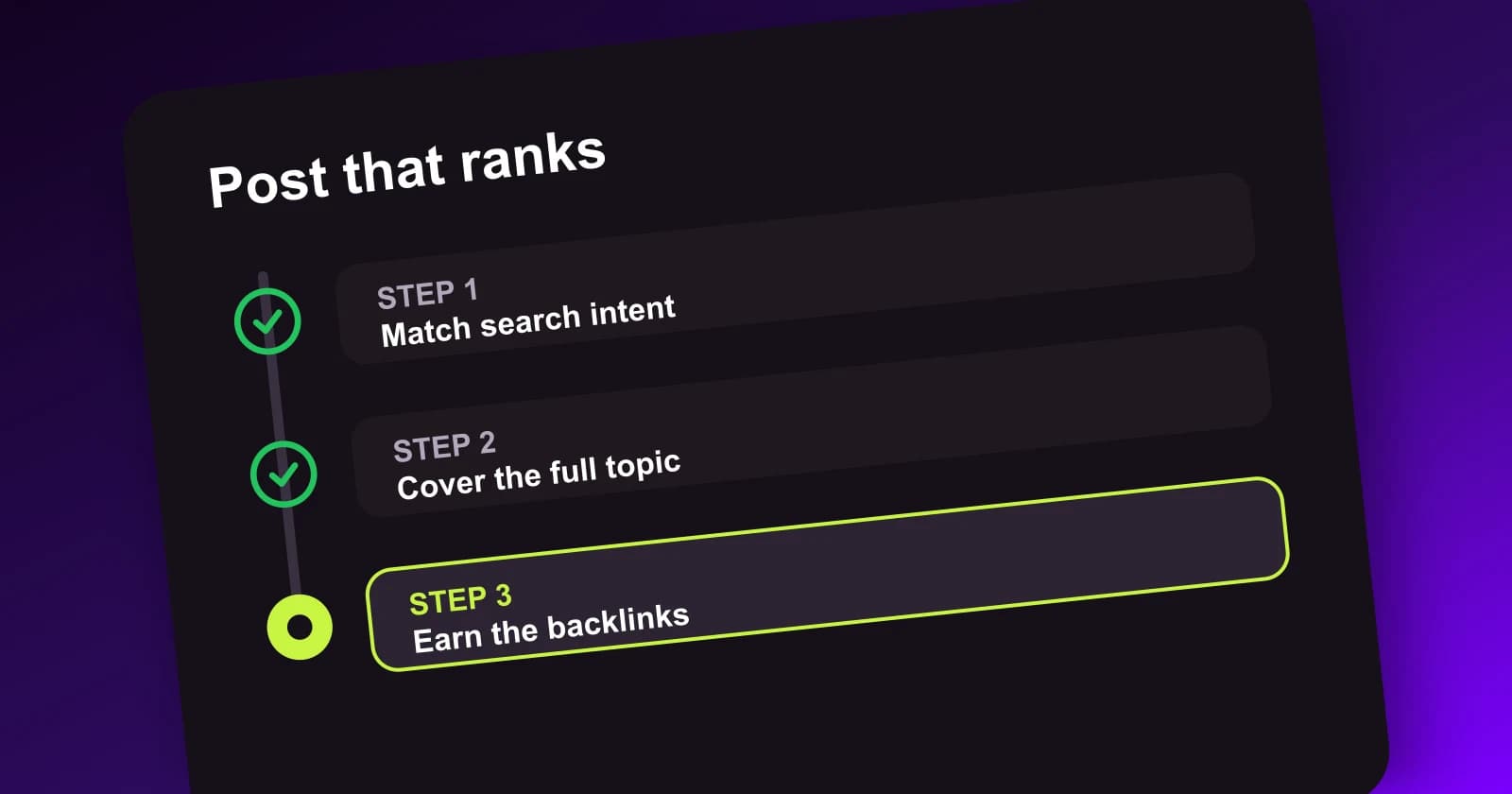
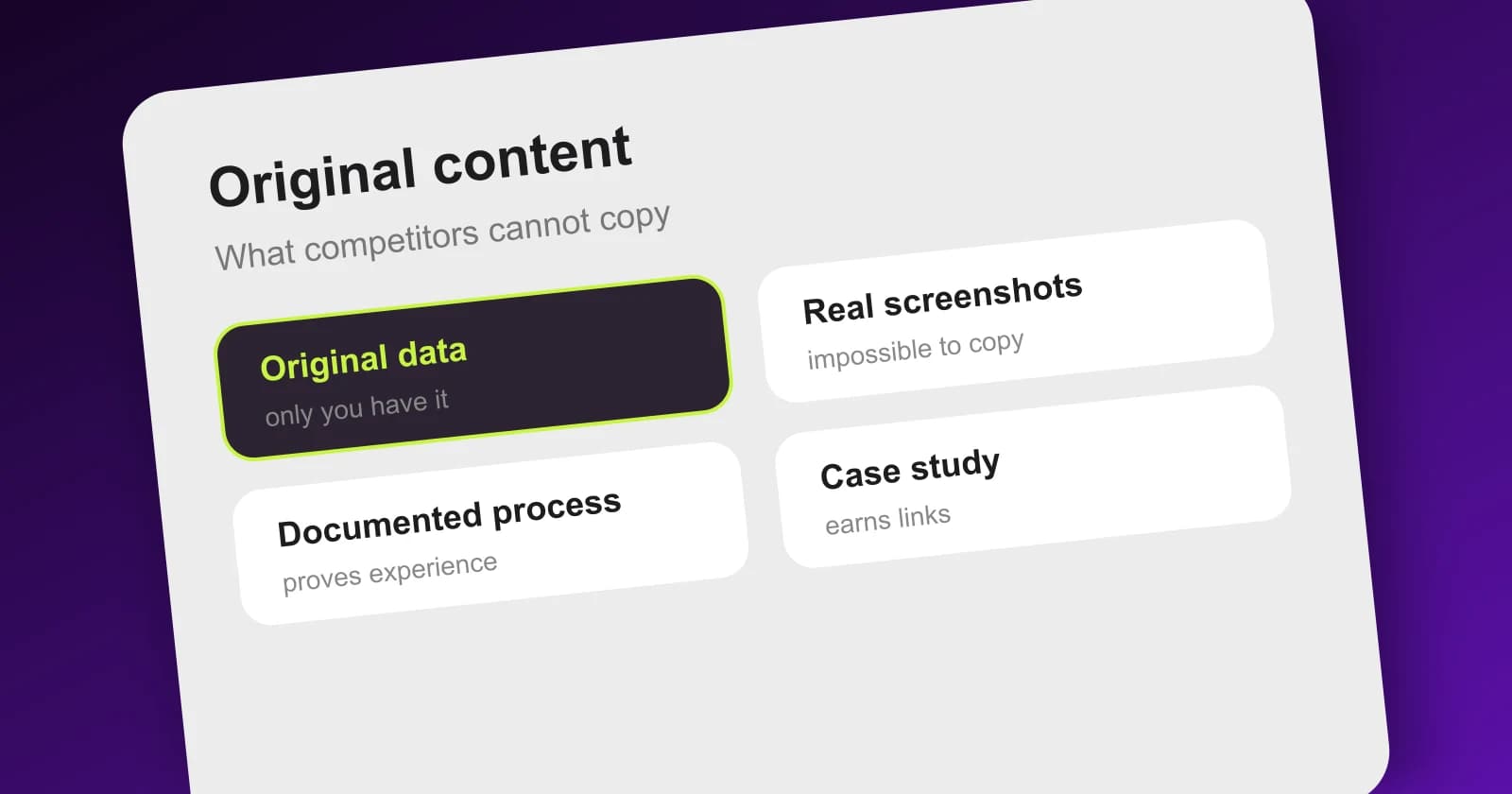
SEO is the work of making your site easy for Google to find, understand and trust, so it ranks and brings in organic traffic. It stands on three pillars: useful content, a technically healthy site, and backlinks that signal authority. Most new sites have the first two and are missing the third, which is why they stall on page five.
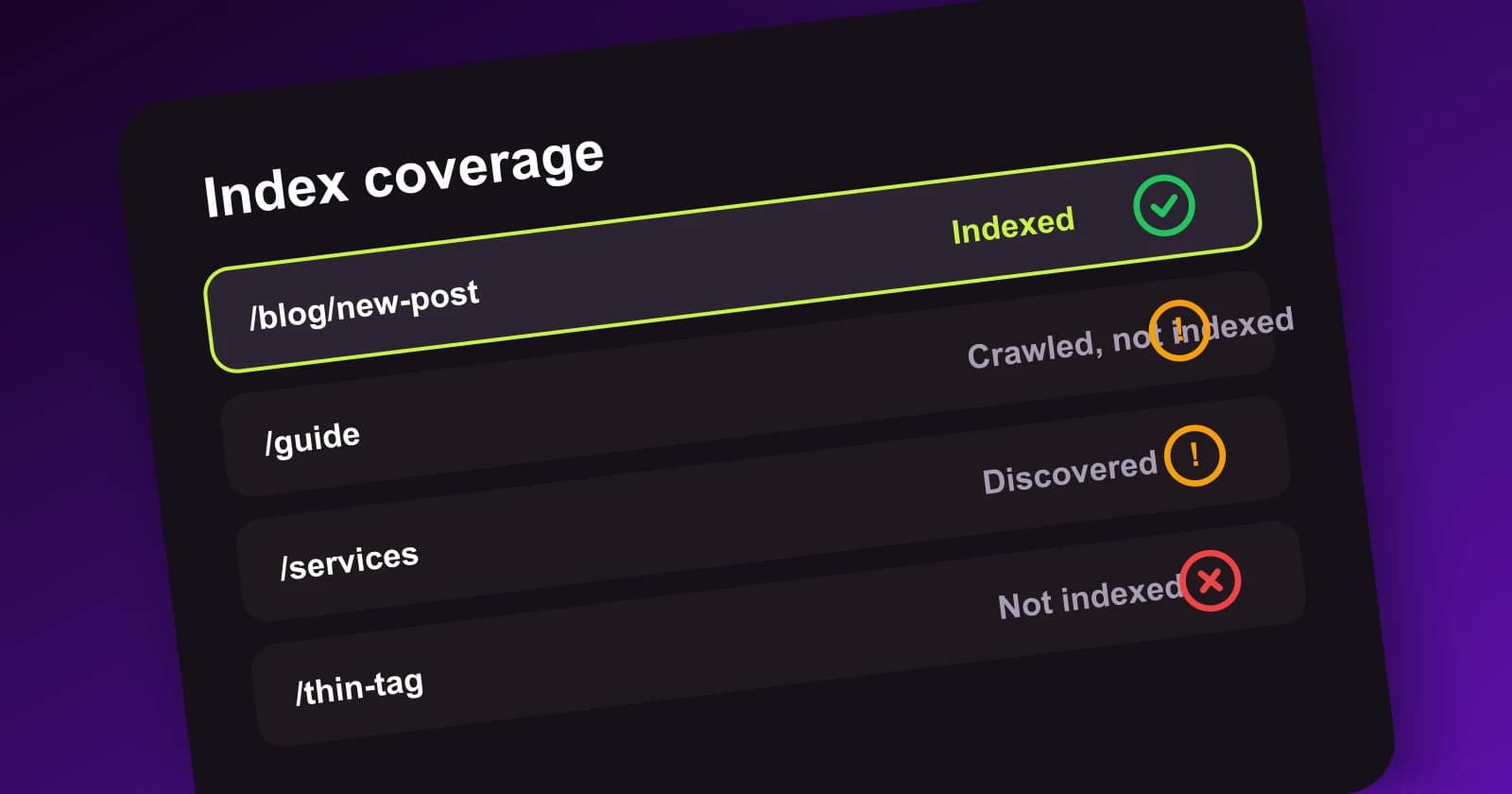
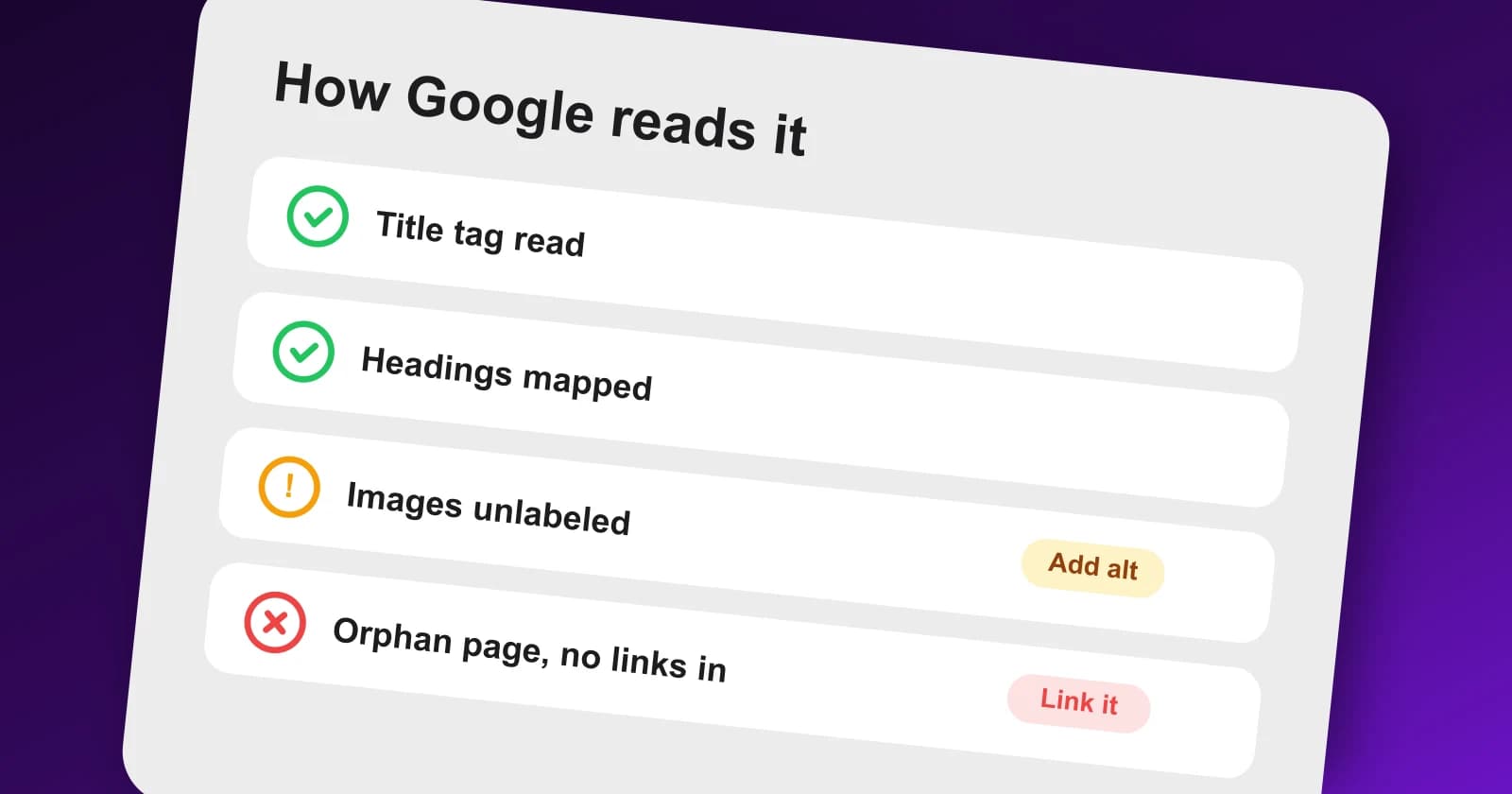
Get your free SEO analysisFirst, make sure Google can crawl and index your pages. Second, target queries your audience actually searches and answer them well. Third, earn backlinks from relevant, real sites: this is what separates page one from page five, and the part most beginners skip.
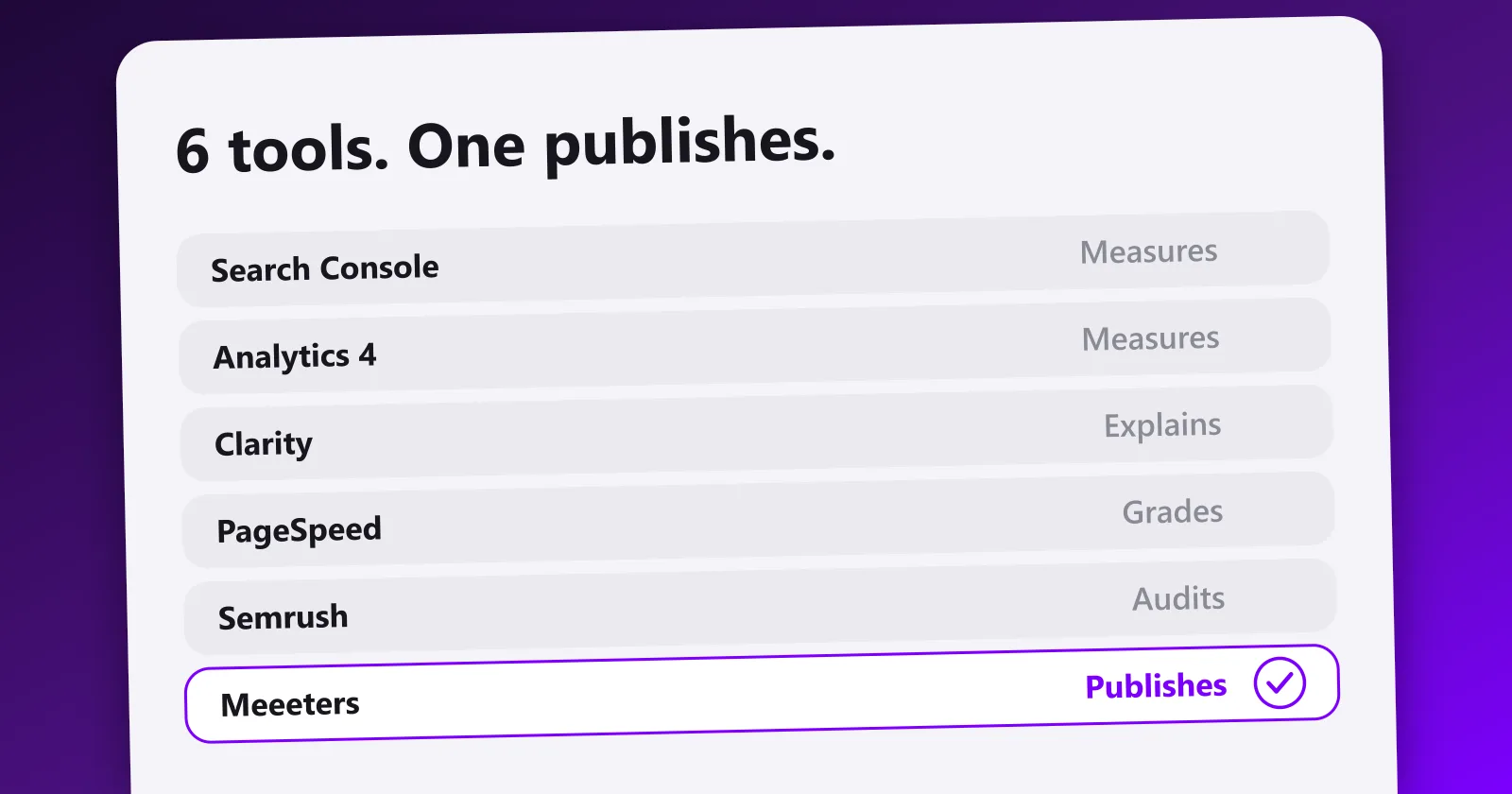
Links are also the slowest pillar to build, so start early. It is the one area where Meeeters does the heavy lifting for you.
SEO vs SEM explained with real numbers: costs, timelines, and when each wins. Plus the hybrid playbook small sites use to get both cheap and fast.
Which meta tags actually affect rankings and clicks in 2026: title, description, canonical, robots, OG. Copy-paste examples and the tags to stop worrying about.
What SEO really costs per month in 2026: agency retainers, freelancers, DIY tool stacks, and automation. Price ranges, what you get at each tier, and red flags.
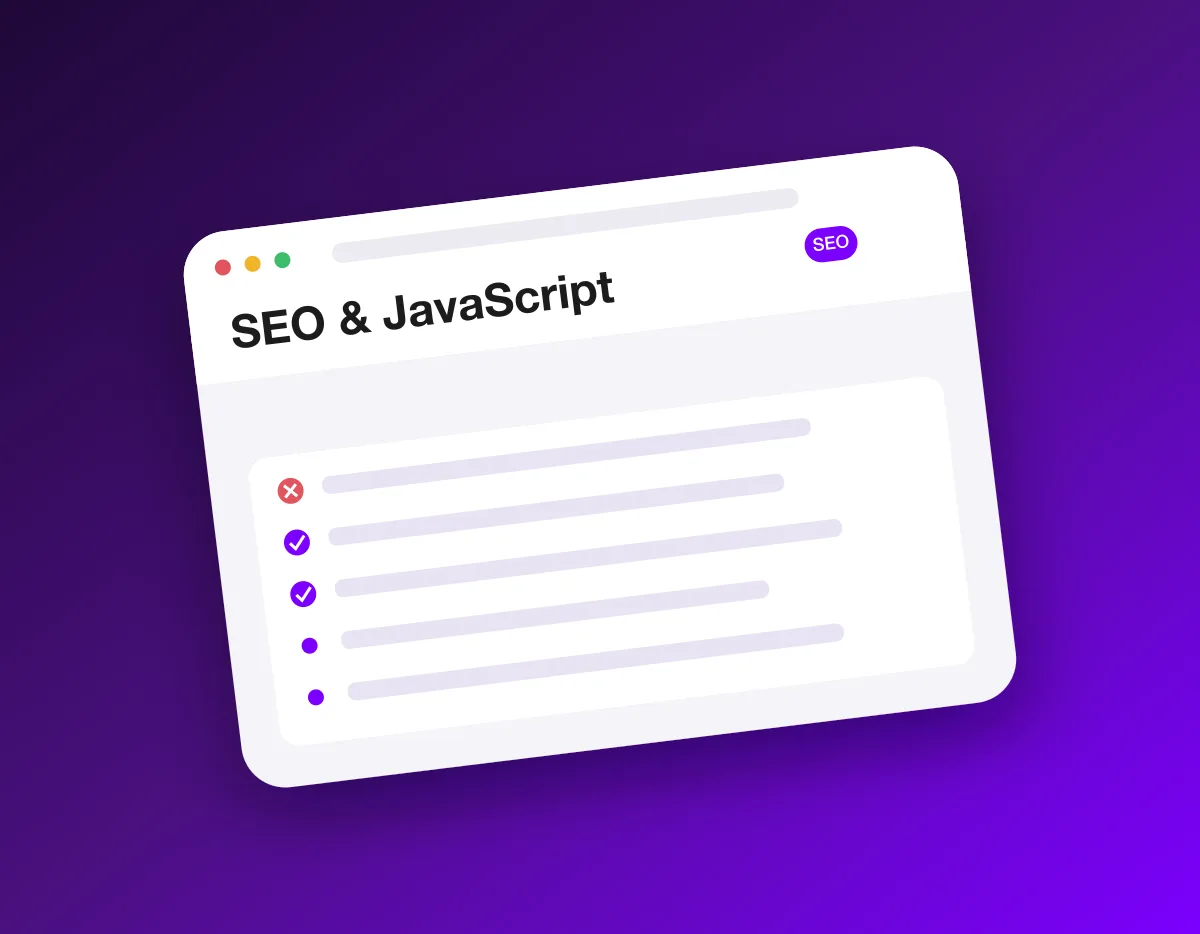
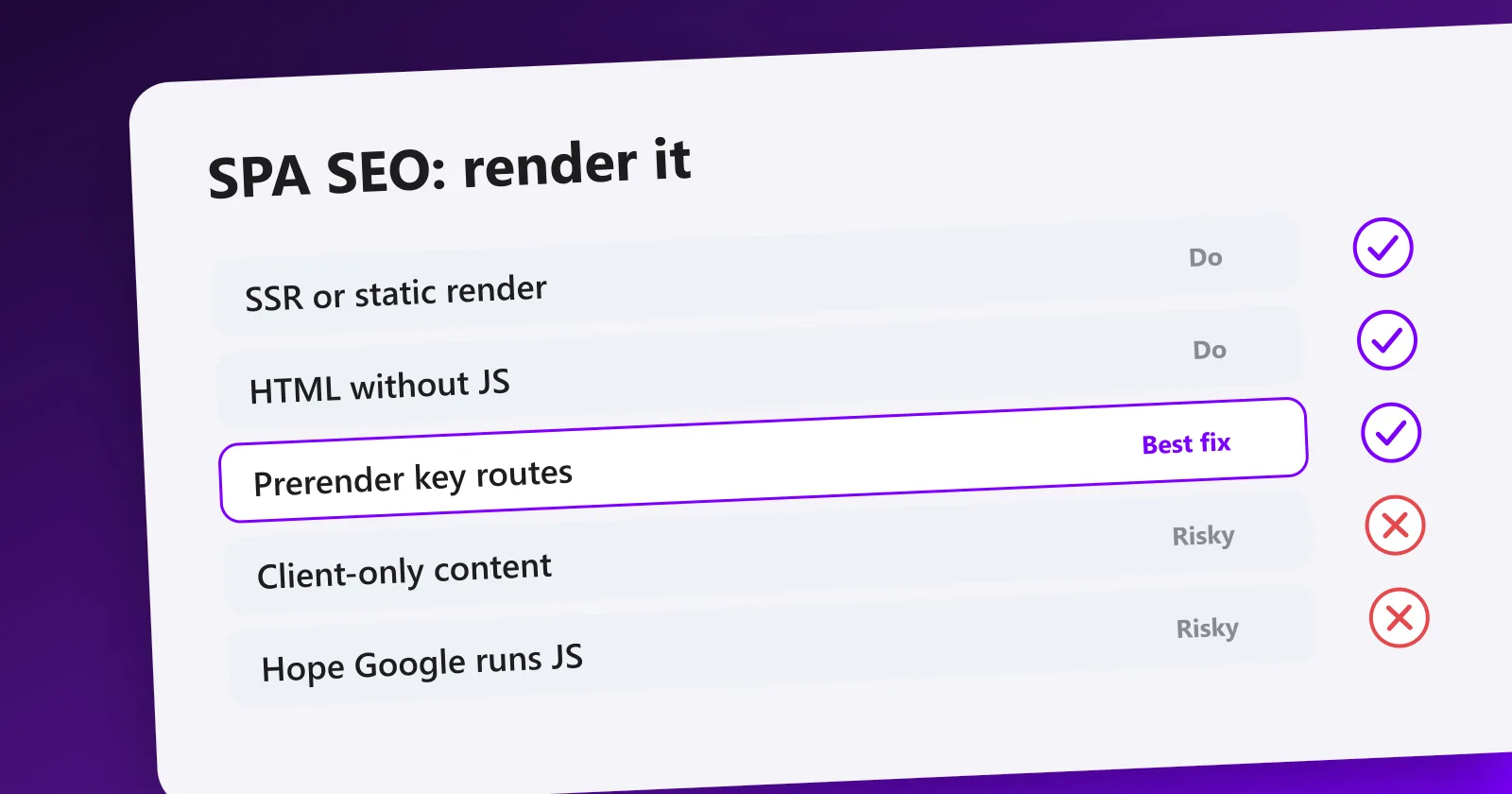
SEO for single page applications, explained: why React and Vue SPAs get deindexed, how Google renders JavaScript, and the rendering choices (SSR, SSG, prerender) that make an SPA rank.
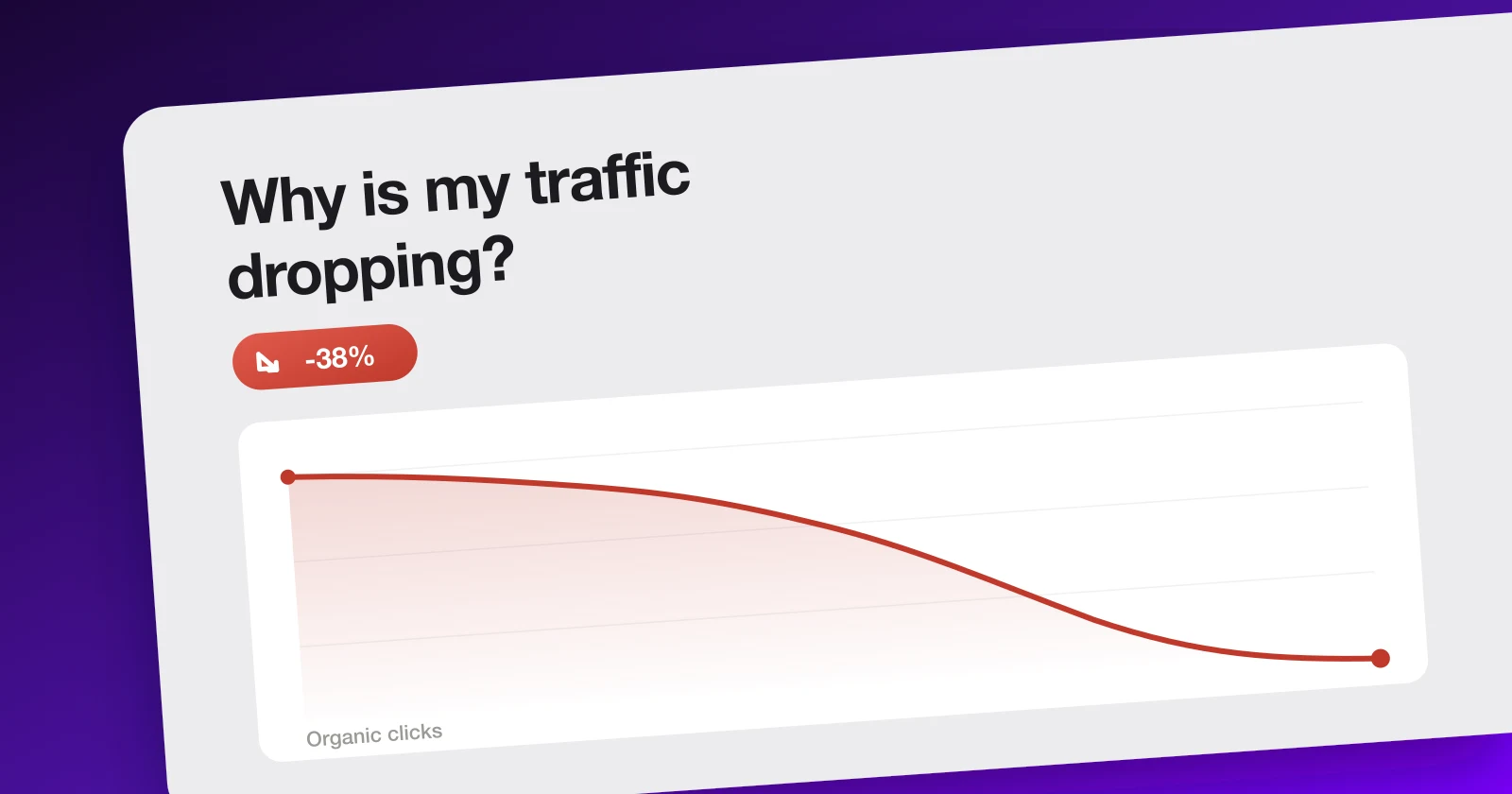
Google's June 2026 spam update rolled out in just 2 days. What SpamBrain targeted, why link spam was not on the list, and the recovery plan if you dropped.
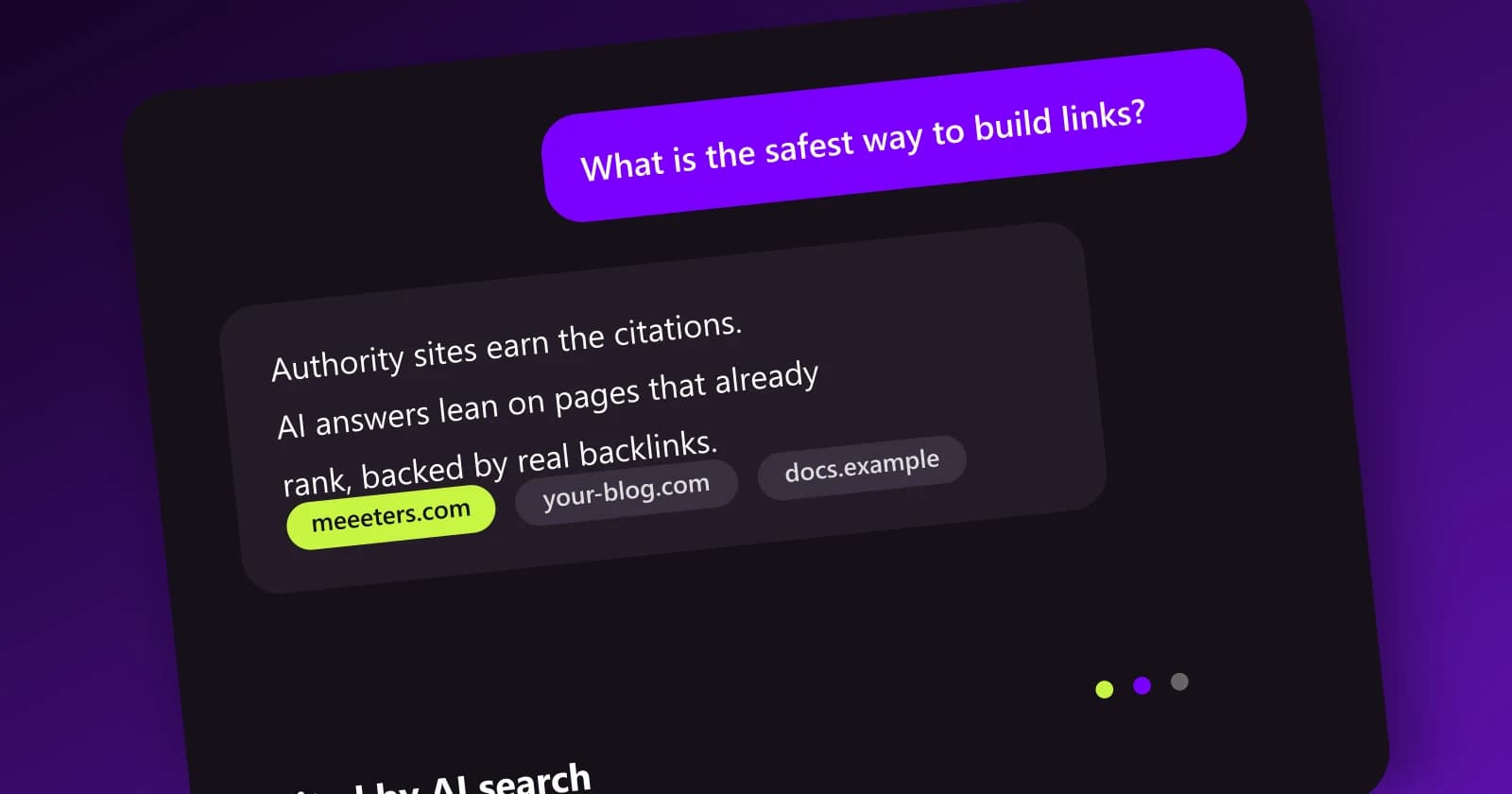
AI assistants recommend the brands that already win search: authority, structure and citations. A practical AEO playbook to become the answer, not a result.
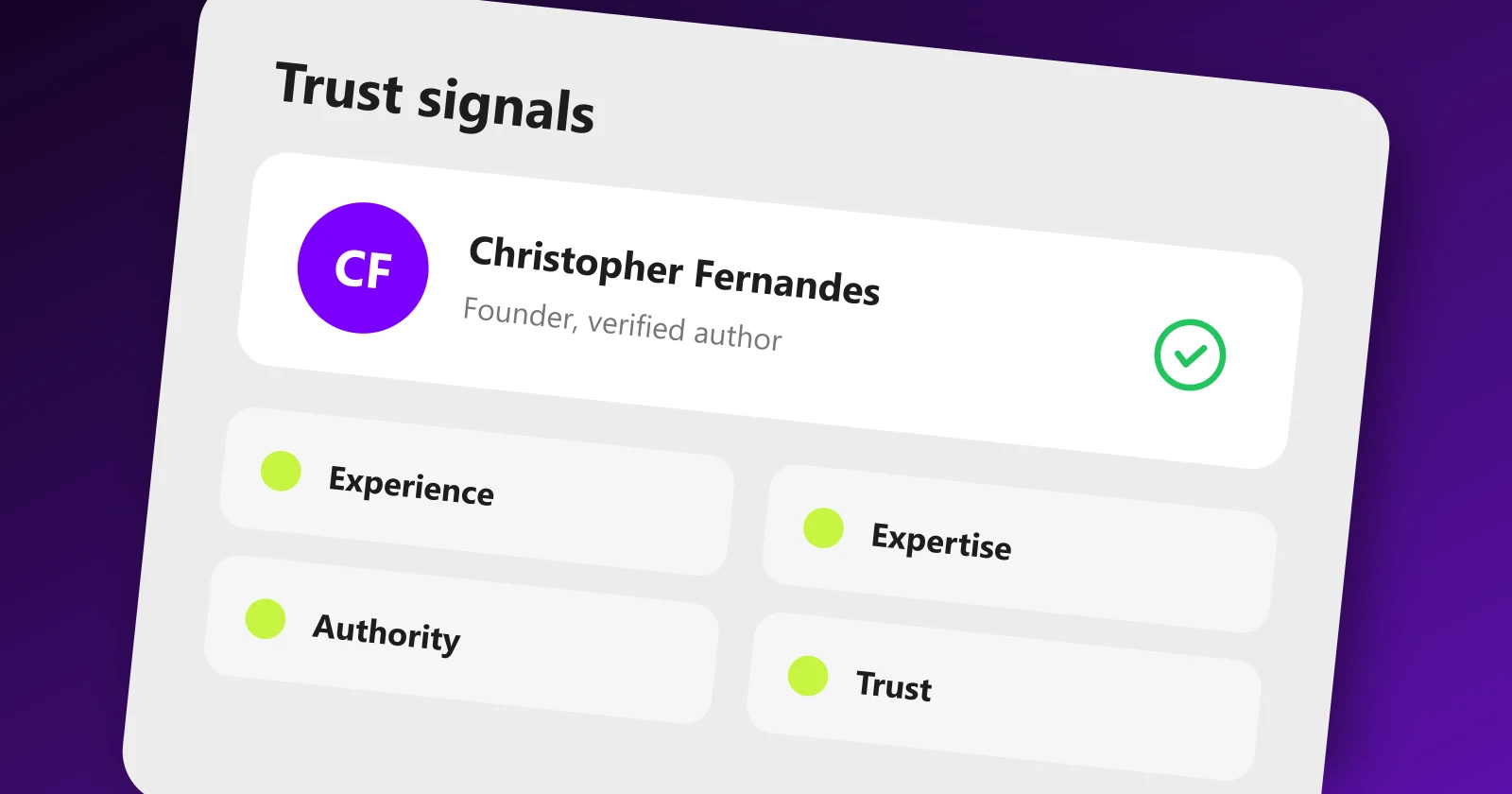
What E-E-A-T really is, how Google evaluates it, and the concrete on-site and off-site work that proves experience, expertise, authority and trust in 2026.
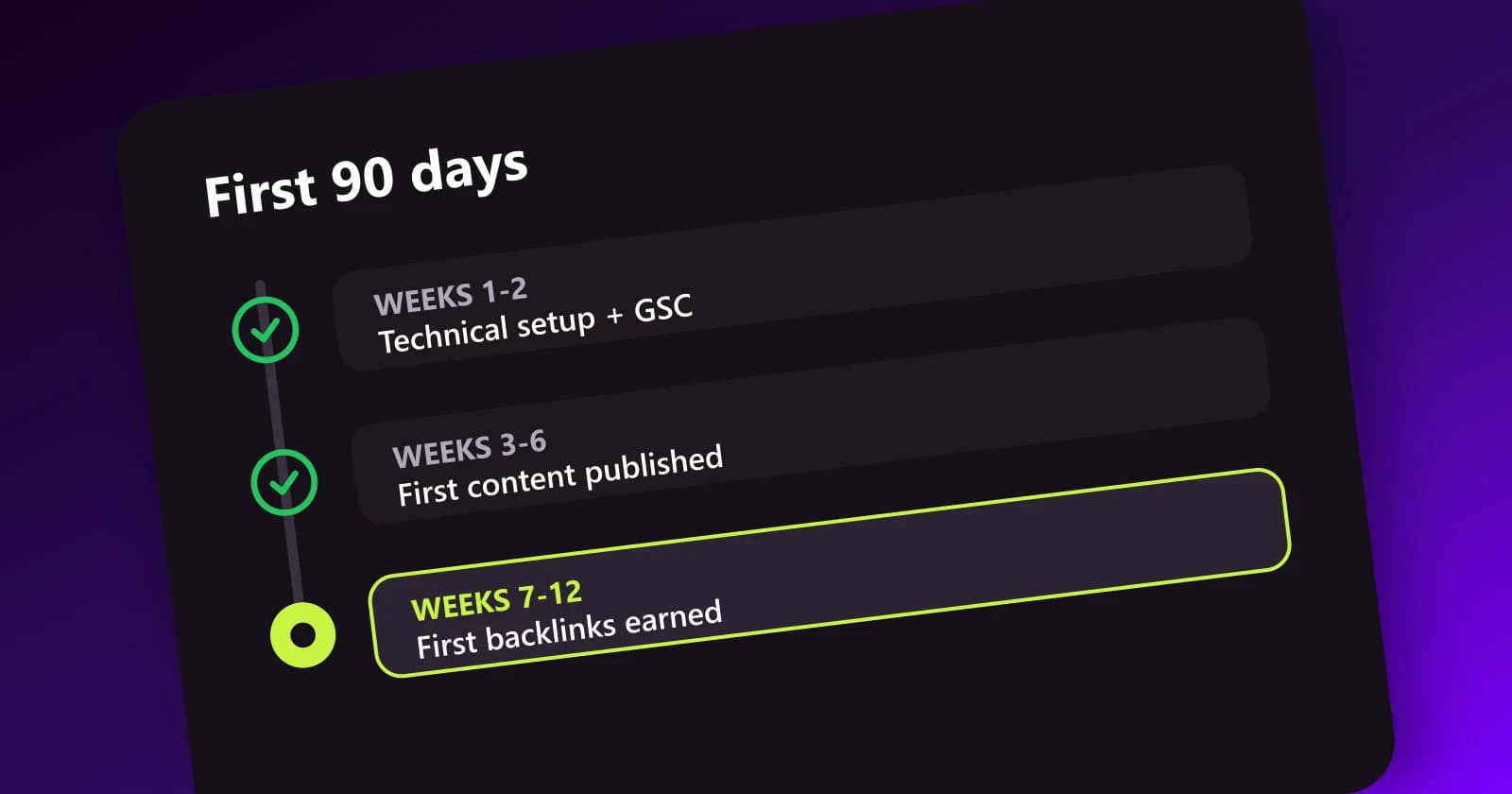
A realistic 90-day SEO roadmap for brand-new websites: technical setup, first content targeting winnable keywords, first backlinks, and honest timelines.
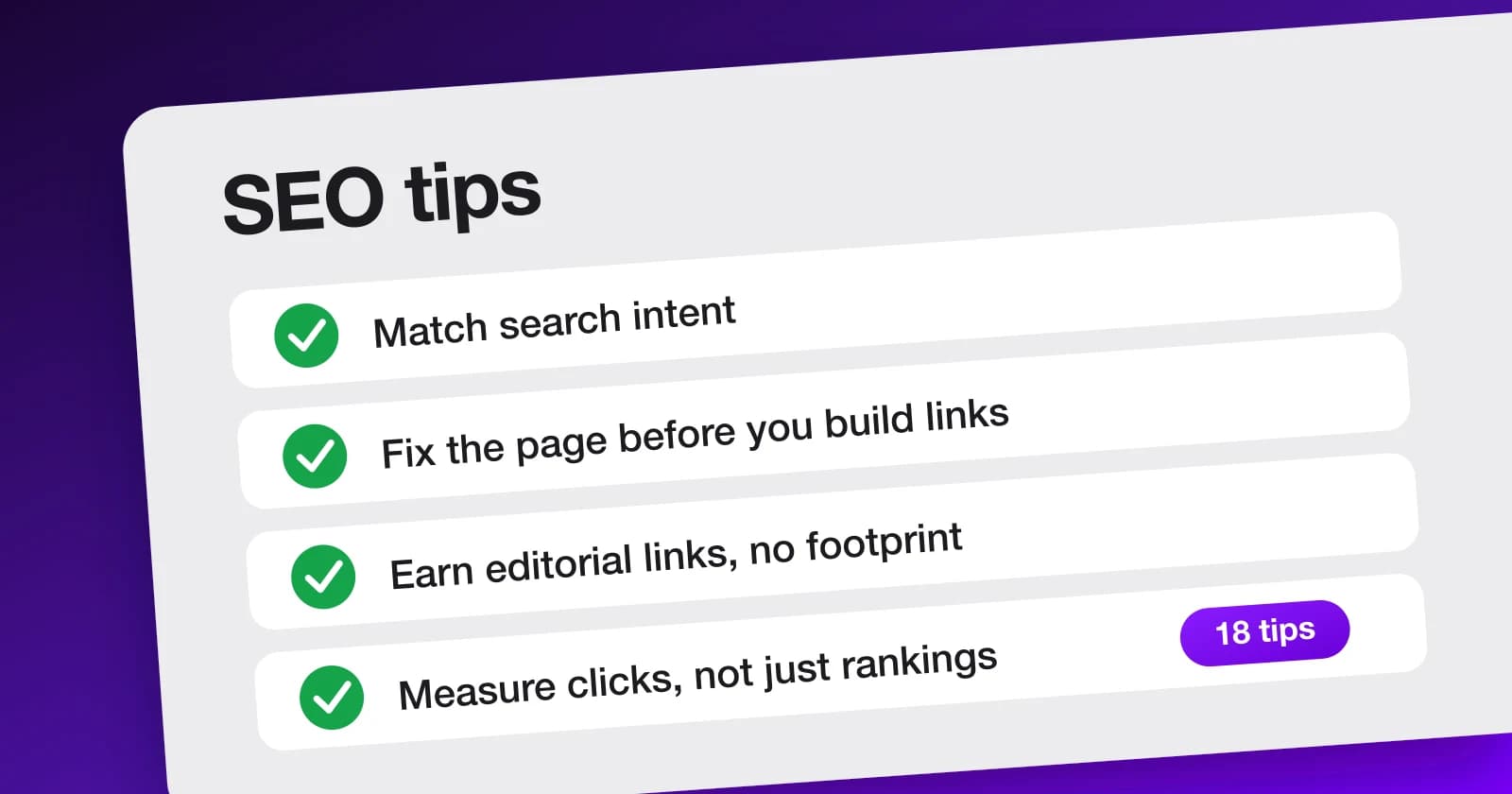
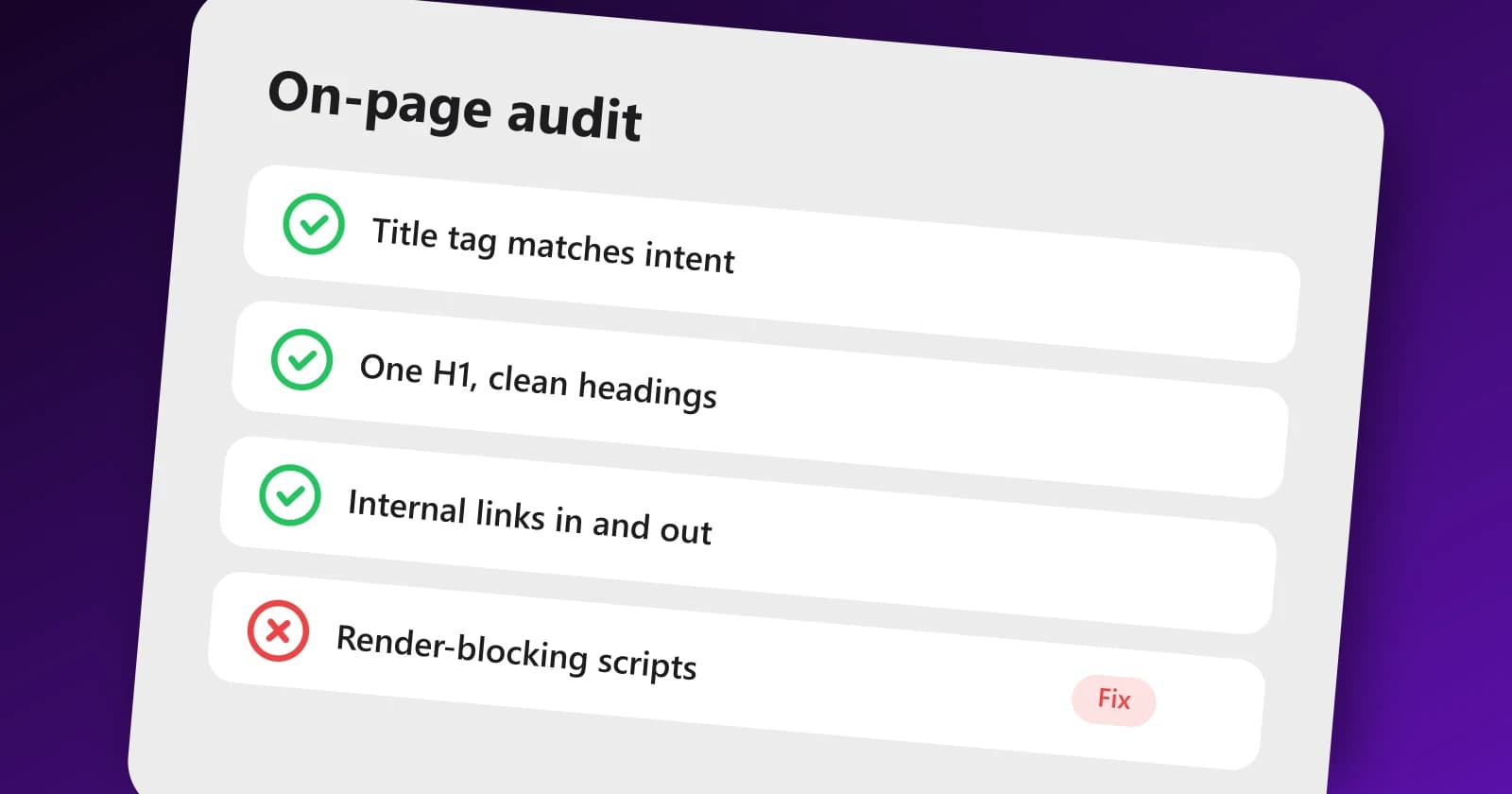
On-page SEO checklist covering titles, headings, intent, internal links, speed and schema. Fix these 15 items first - backlinks cannot rescue weak pages.
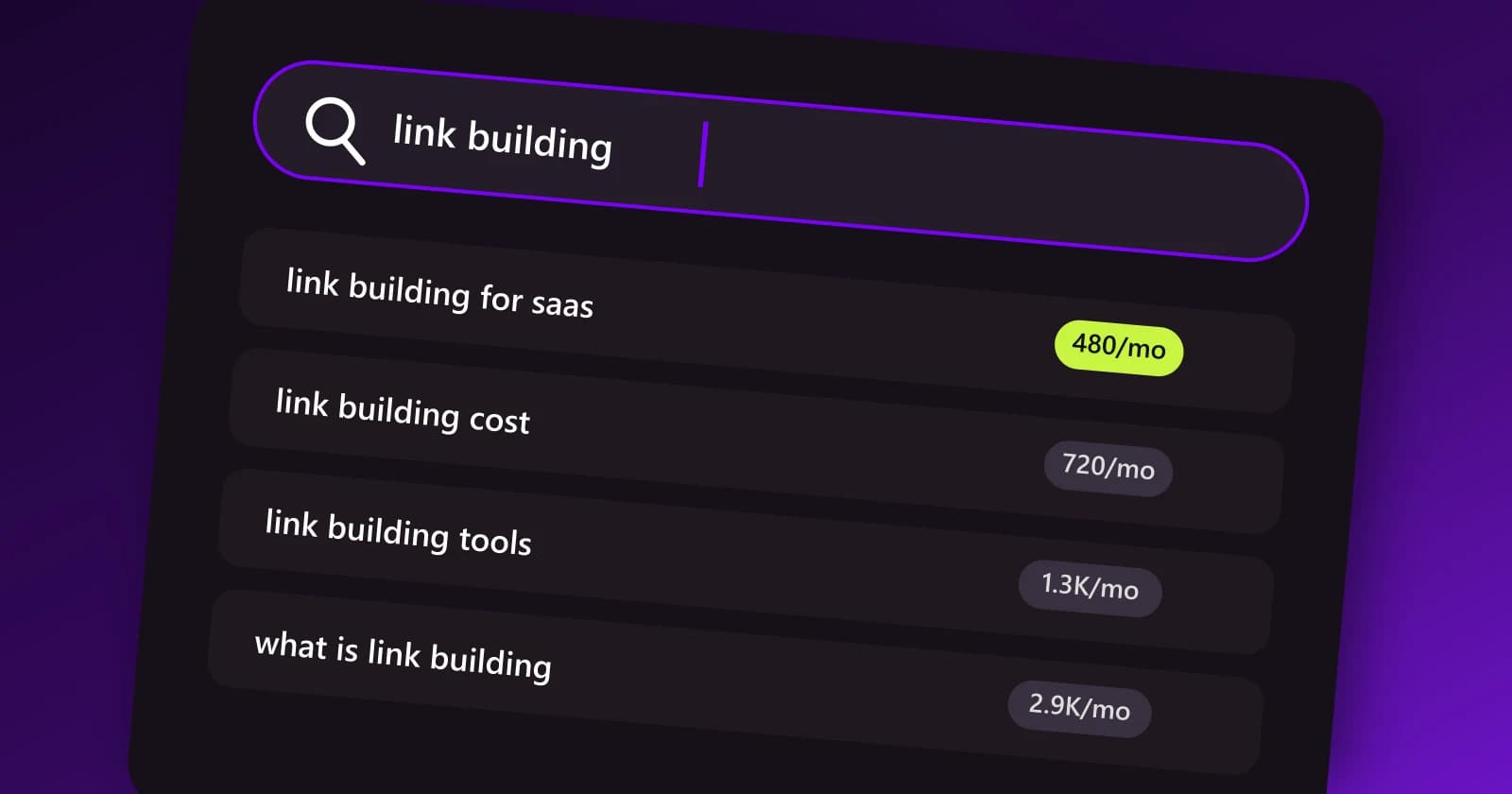
A complete keyword research method using free sources: Google autocomplete, People Also Ask, Search Console mining, SERP-based difficulty checks and more.
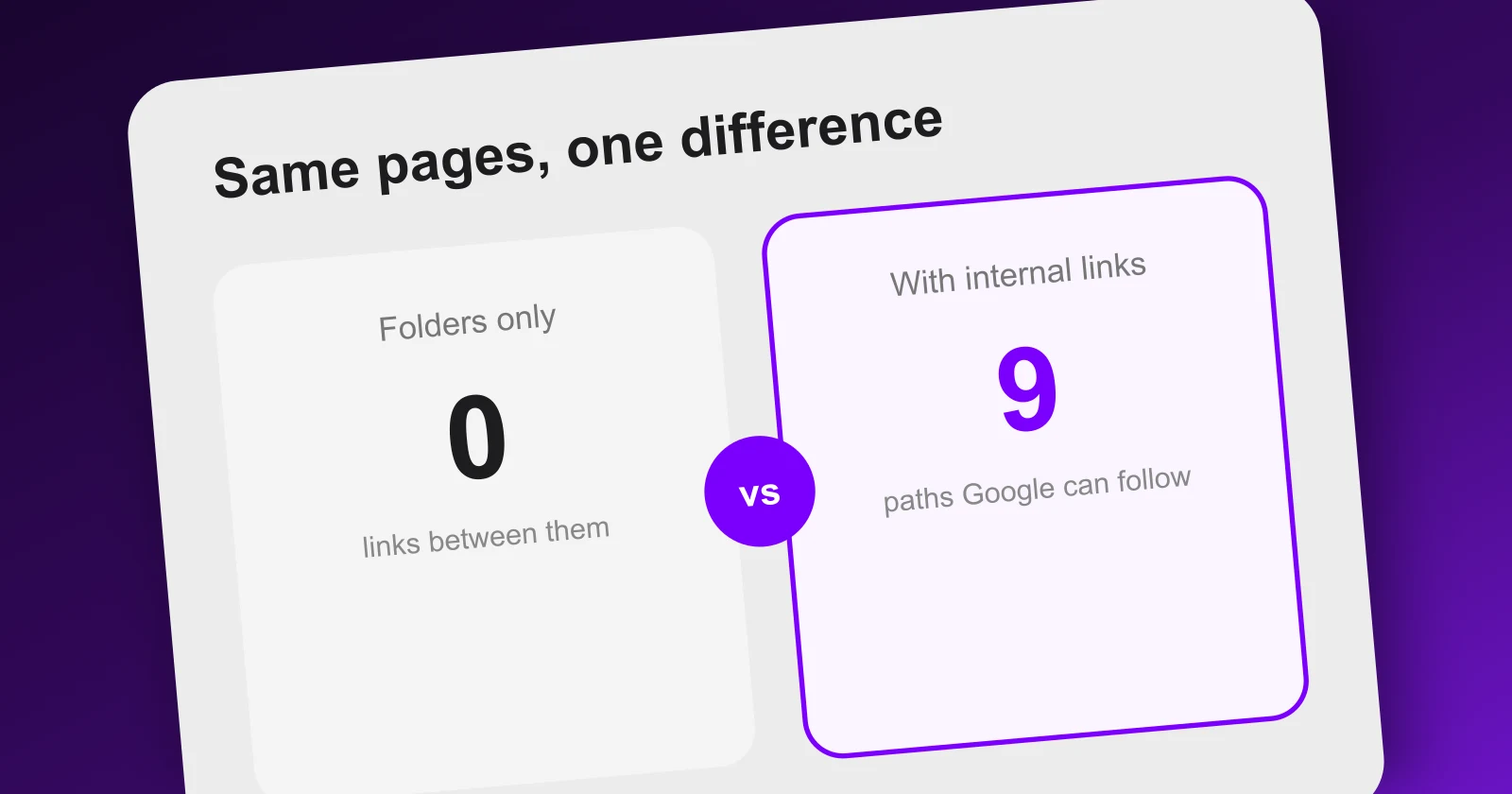
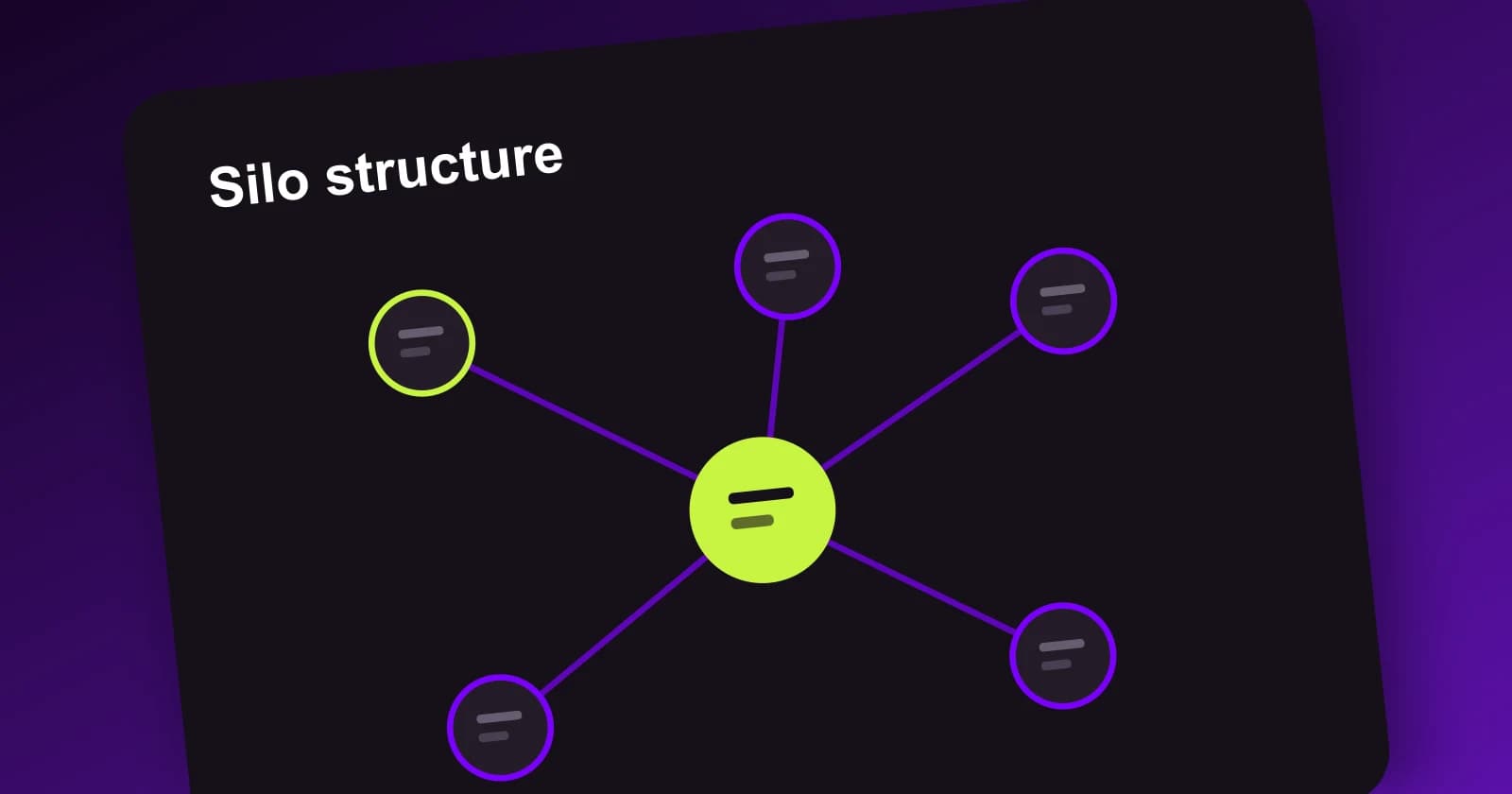
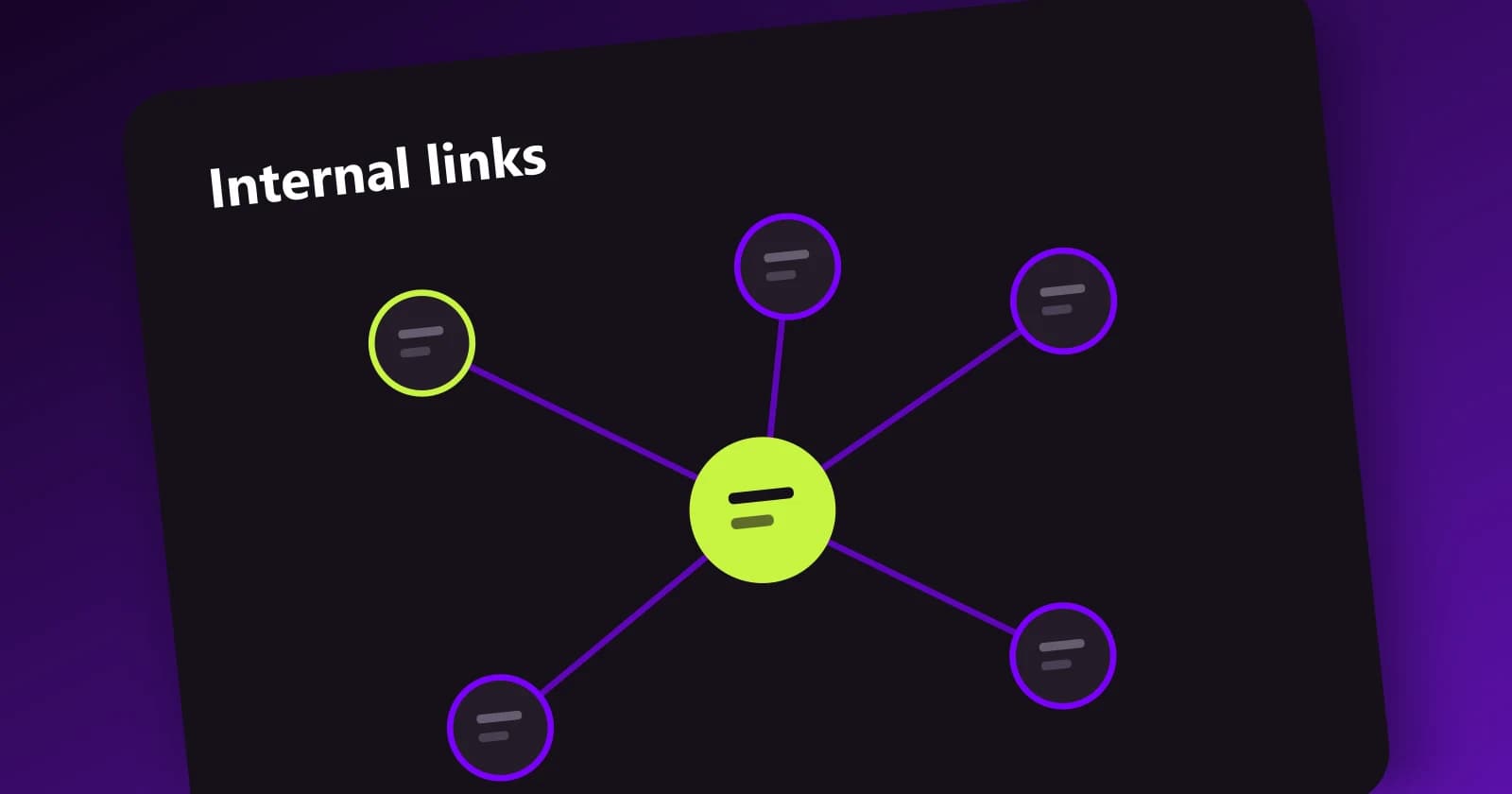
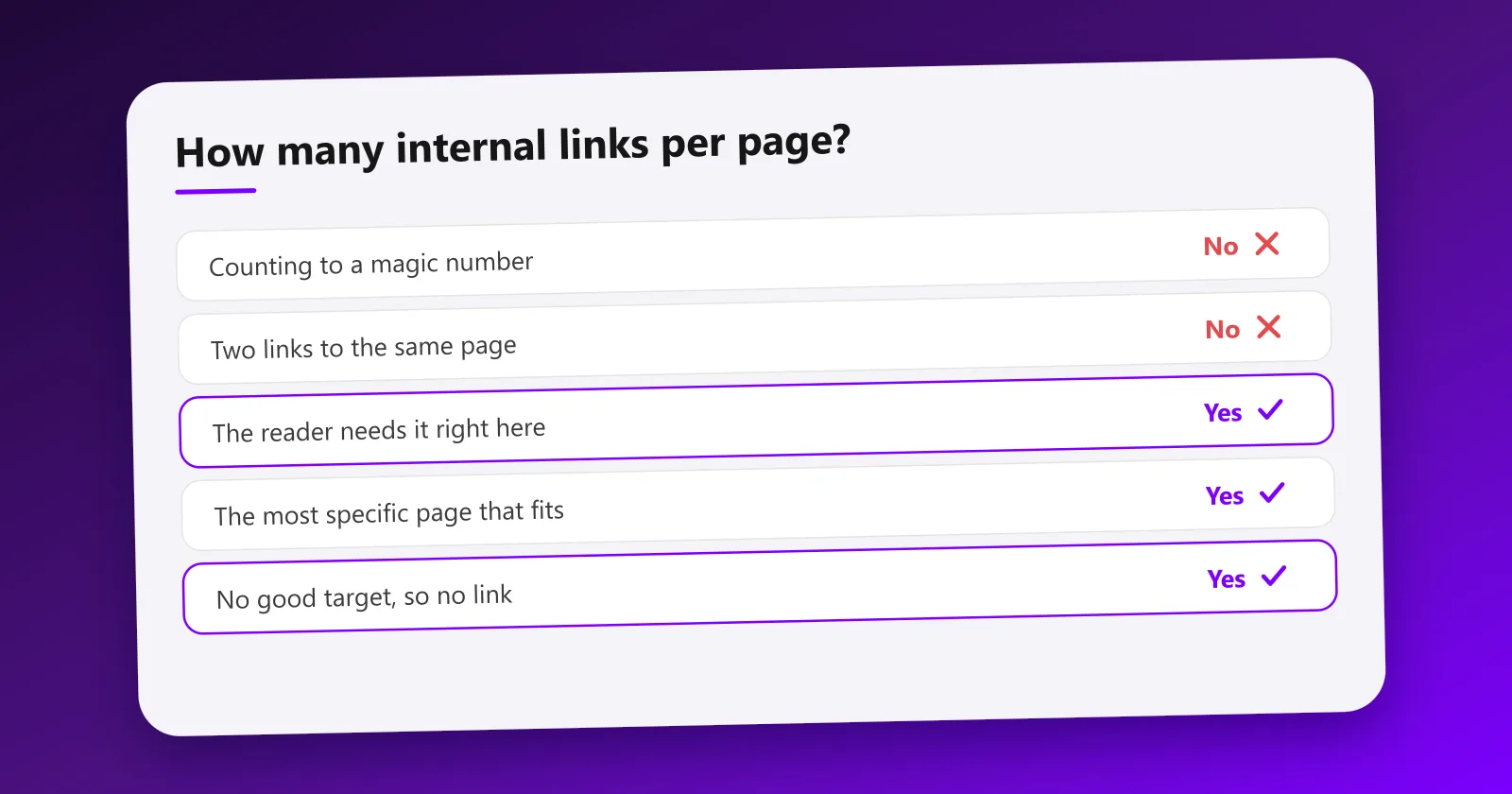
Internal links decide where your backlink authority flows. How to structure internal linking with hubs, anchors and depth rules, plus mistakes to avoid.
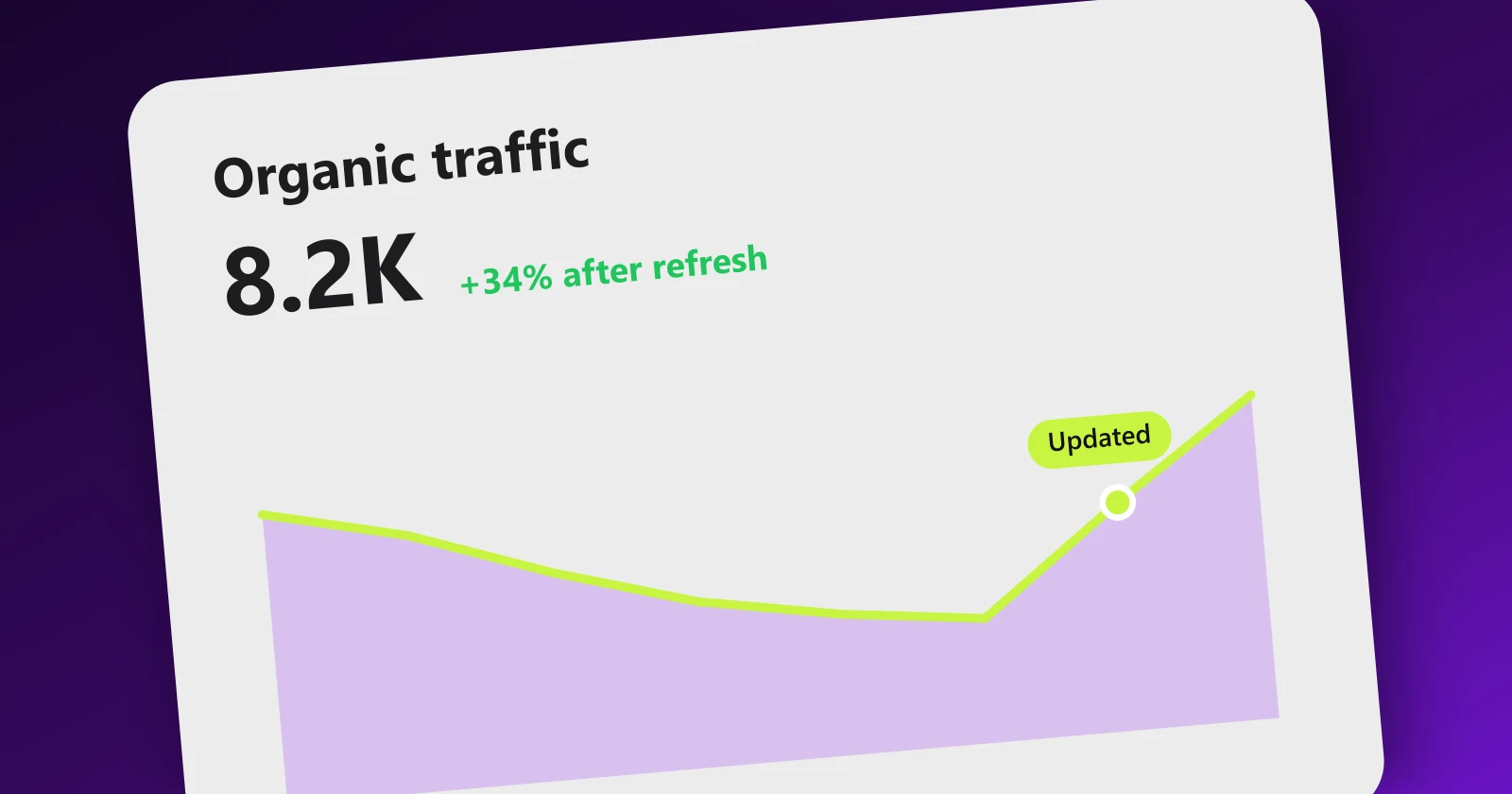
A step-by-step playbook to refresh decaying content: find losing pages in Search Console, run the refresh checklist, then update, rewrite or delete.
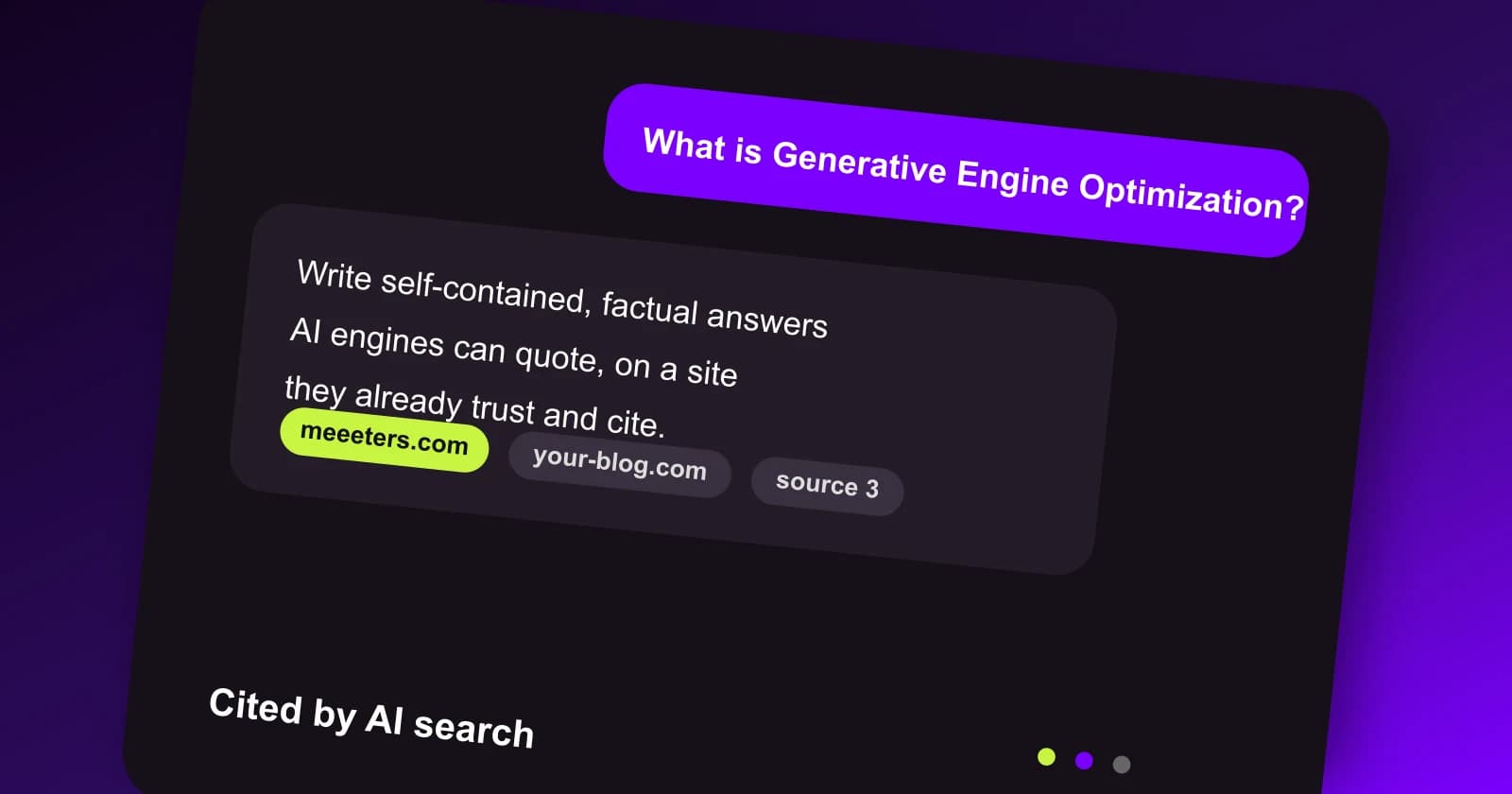
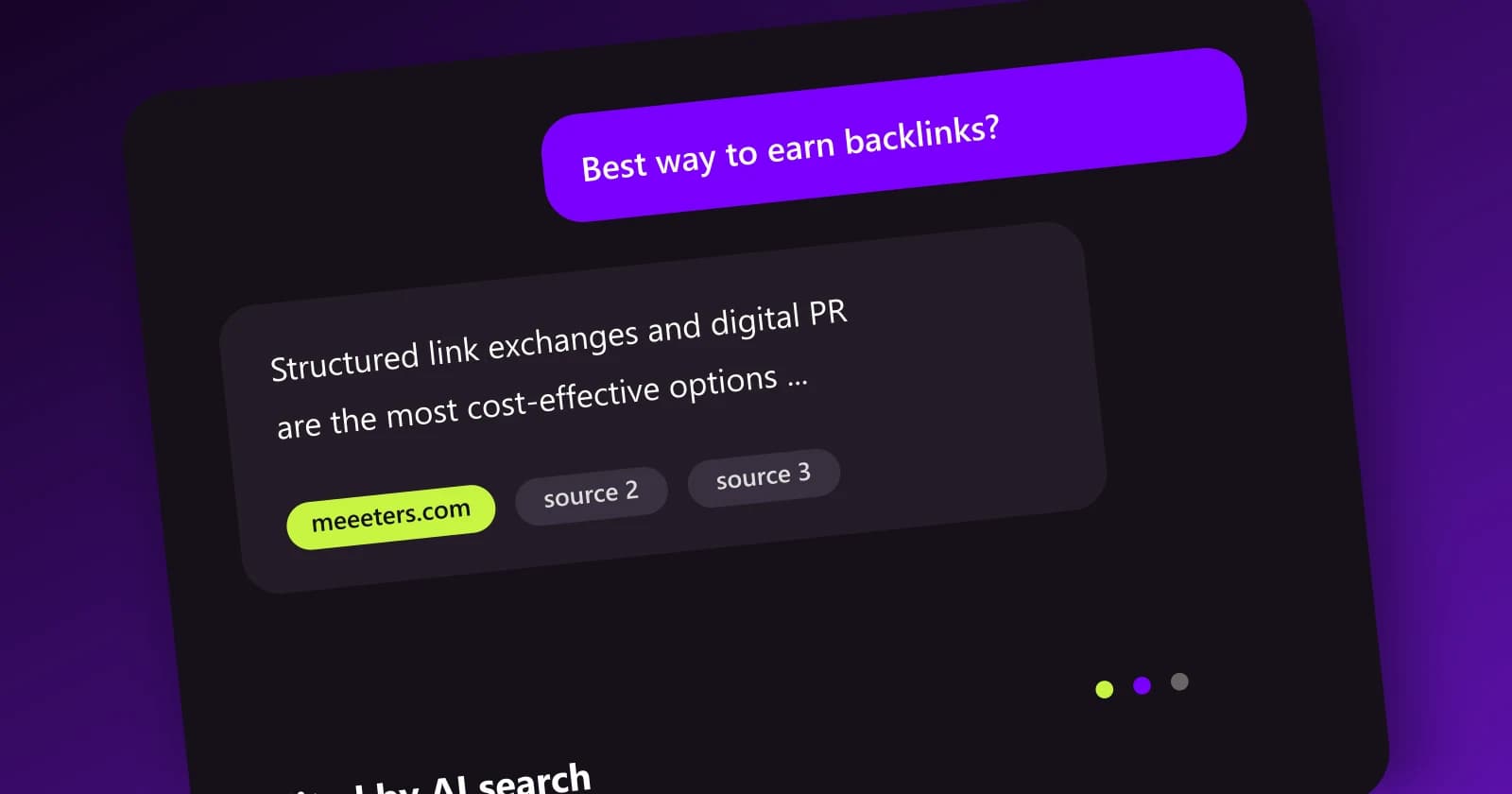
How AI search engines pick their sources and how to become one. Retrieval, citations, answer-first writing, schema, llms.txt and why backlinks gate it all.
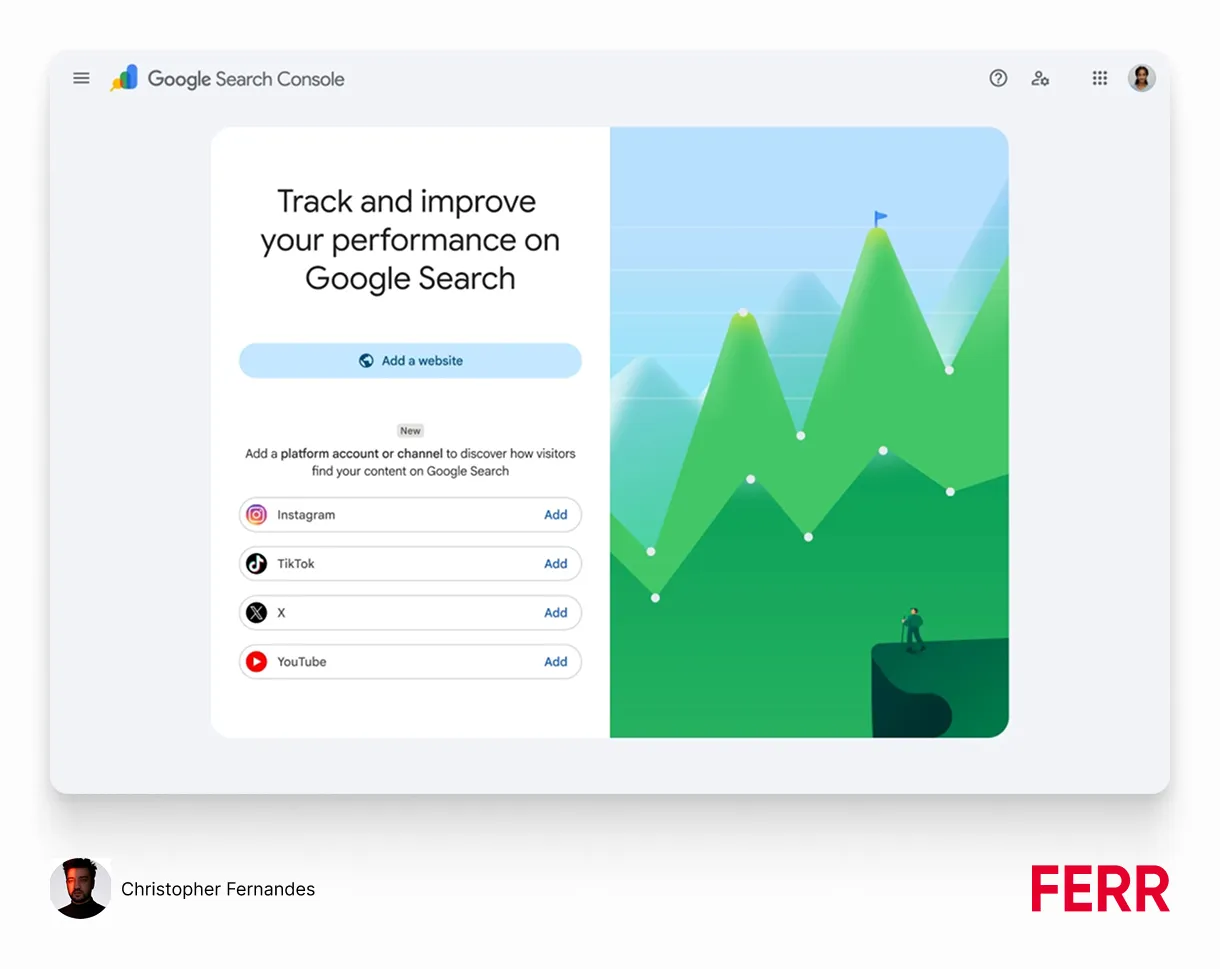
Learn Google Search Console from setup to advanced workflows: performance reports, indexing, free backlink data, and how to find quick SEO wins in 2026.
Page speed and Core Web Vitals are confirmed Google ranking signals and shape conversions. What to measure and the fixes with the biggest impact.
If your site does not appear on Google, the cause is usually indexing, a noindex tag, being too new, or thin content. How to diagnose and fix each.
Most sites see meaningful SEO movement in three to six months, with compounding gains after. What drives the timeline and how to speed it up.
Quick answers to the questions people ask most about this topic.
SEO (search engine optimization) is the work of making your website easier for Google to find, understand and trust, so it ranks higher for the terms your audience searches. It rests on three pillars: content, technical health and backlinks.
Usually one of a few reasons: the site is too new or not indexed, it has no content targeting real queries, it has no backlinks (zero authority), or a technical issue is blocking crawlers.
Typically three to six months to see meaningful movement, longer in competitive niches. Backlinks and authority are usually what accelerate or slow the timeline.
Confirm Google can index your site, target the right keywords, publish genuinely useful pages, then start earning relevant backlinks. Authority is what turns good content into rankings.