Restaurant search is dominated by aggregators, and most restaurants have quietly accepted that. But the searches that matter, cuisine plus neighbourhood, dietary needs, private dining, are still winnable, and every booking that comes through your own site instead of a marketplace keeps its commission.
In short
'SEO for restaurants' shows 390 searches a month at difficulty 20 out of 100, clicks at $38.19, cluster around 1,030. Aggregators own the generic terms; specific and neighbourhood searches are open. Meeeters publishes those pages on autopilot and earns verified backlinks, from $40 a month.
What the numbers say (our scan, July 2026)
Difficulty 20 / 100
higher than most local trades, because aggregators and review sites occupy the broad terms. The specific searches are far softer.
$38.19 per click
a high price for a restaurant, and a sign of how much delivery platforms and marketplaces will pay to intercept your customer.
1,030 searches / month
across the cluster, before counting cuisine and neighbourhood combinations, which is where the real volume lives.
Automate your SEO now
Enter your website and the AI scans it: your real authority, your quick wins and your first article ideas land in your dashboard.
Free·No password·Straight to your dashboard
Why restaurant SEO usually goes wrong
Aggregators intercept the customer
Delivery and booking platforms outrank restaurants for their own category terms, then charge commission on the customer they intercepted.
The menu is a PDF or an image
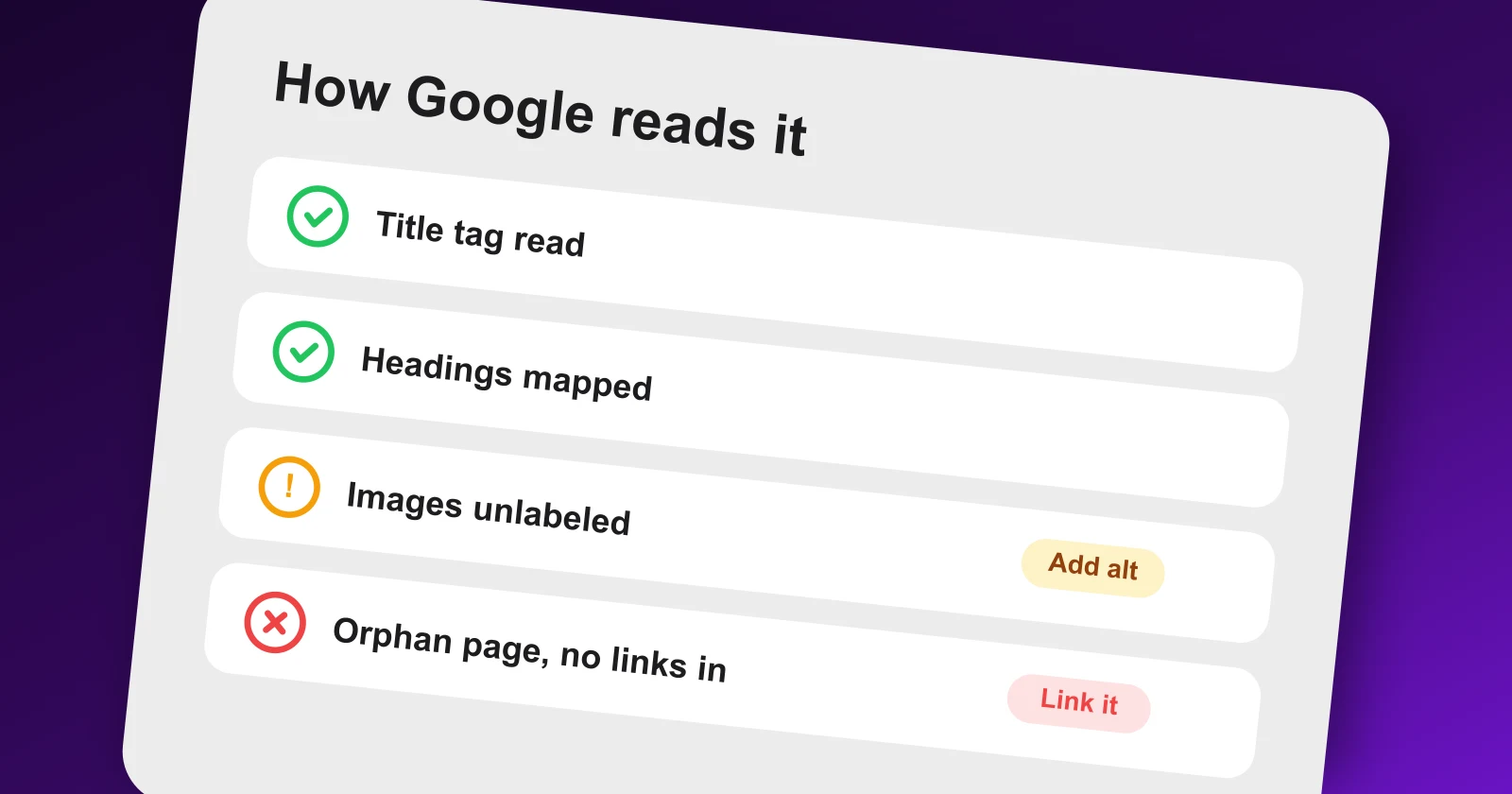
Menus locked in PDFs or images cannot be read properly by search engines, so the single most searched part of the site contributes nothing.
One page for everything
Lunch, dinner, private events, dietary options and each location all live on one page, so none of them rank.
How Meeeters works for restaurants
1
Analyze
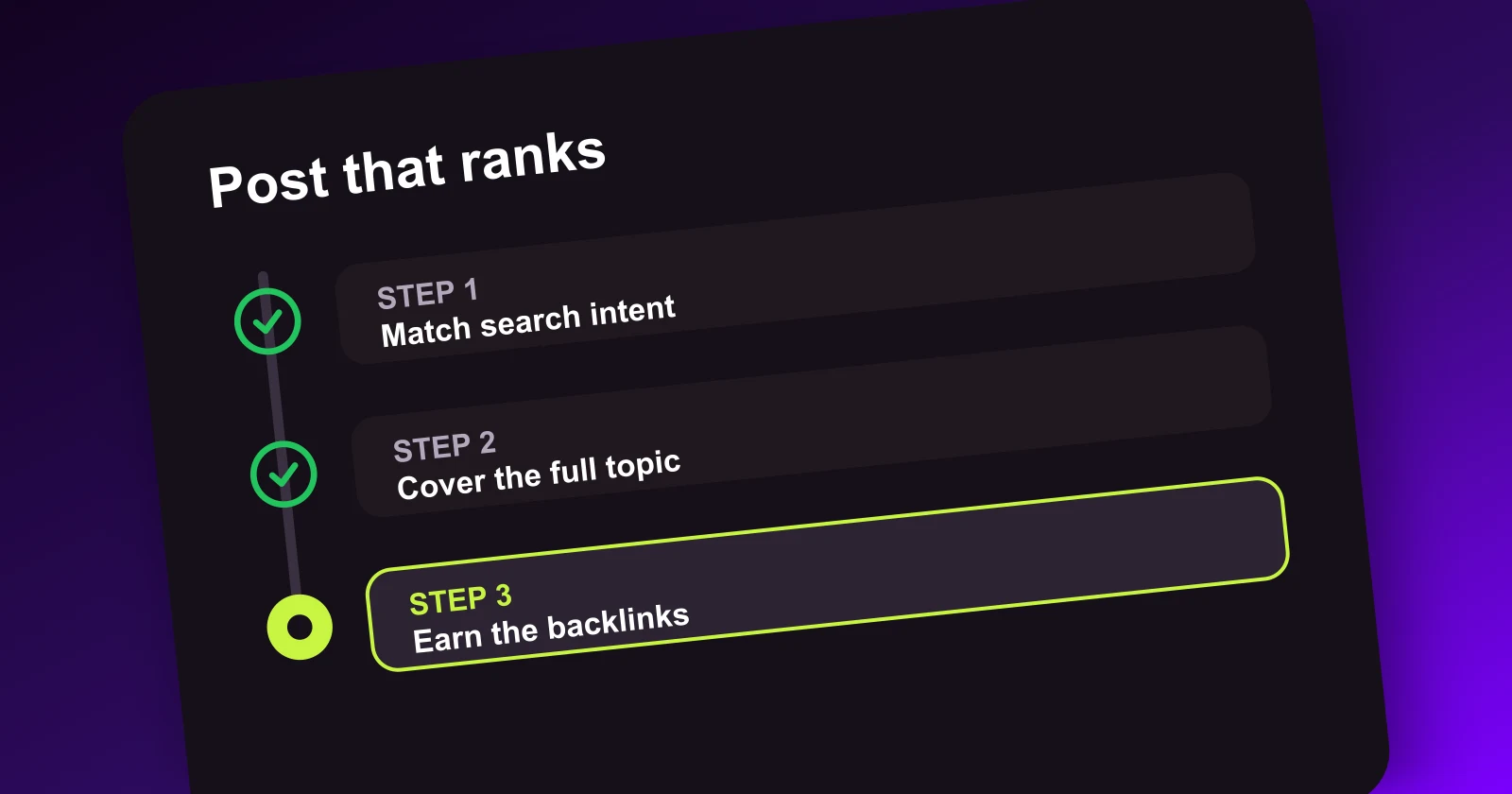
Free audit of your site: what ranks, whether your menu is machine-readable, which neighbourhood and cuisine pages are missing.
2
Publish
Meeeters writes and publishes on autopilot: menu pages as real text, one page per location, plus the specific searches locals make, like dietary options or private dining.
3
Earn links
Place one contextual link, earn one credit, receive a verified dofollow backlink from a real local site. Local relevance is what moves restaurant results.
Own the searches aggregators ignore
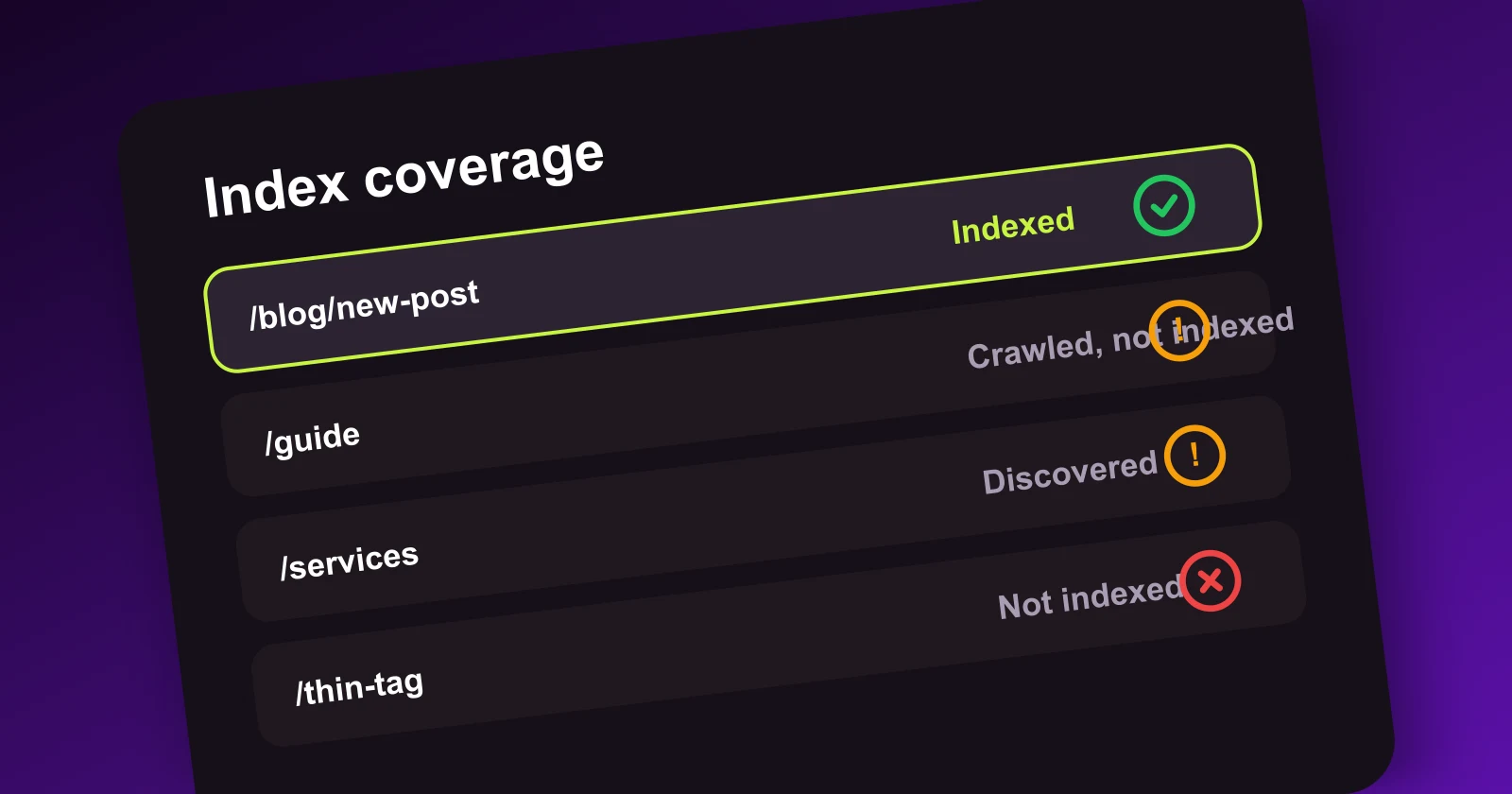
You will not outrank a major platform for 'italian restaurant'. You can outrank them for 'gluten free italian in [neighbourhood]' or 'private dining room [city]', because those searches are too specific for a platform to answer well and too small for them to bother.
Putting your menu on the page as real text is one of the highest-return fixes available. Menu is the most searched thing about any restaurant, and a PDF hides it from exactly the system you want reading it.
Frequently asked questions
Quick answers to the questions people ask most about this topic.
?
Can a restaurant outrank delivery platforms?
Not on broad category terms, and it is not worth trying. On specific searches, dietary needs, neighbourhood, private dining, occasions, restaurants win regularly because platforms cannot answer those well.
?
Should my menu be a PDF?
No. Put it on the page as text. Menu is the most searched element of a restaurant site, and a PDF makes it nearly invisible to search engines and awkward on phones.
?
How important is Google Business Profile?
Critical, and complementary rather than alternative. The profile wins the map results, your site wins the specific searches. Both feed each other.
?
What content works for a restaurant beyond the menu?
Anything that matches how locals search: dietary options, group and private dining, parking, what makes a dish local. Chef blogs rarely bring anyone in.
Insights
Go deeper on link buildingguides from our blog
Tutorials, comparisons and honest breakdowns from the Meeeters network.